Photo: U.S. Space Force photo by Airman 1st Class Ryan Quijas (Public domain)
Job description
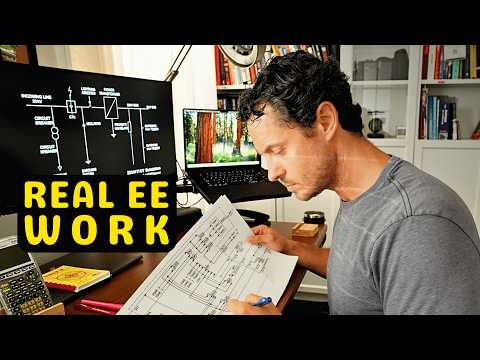
A project typically opens with detailed calculations and CAD-based design work to size components and set specifications, then shifts into overseeing the build, whether that's manufacturing, construction, or installation, to confirm everything matches the design and complies with code. Electrical engineers work across commercial, industrial, military, and scientific settings, and the balance between deskwork and jobsite coordination shifts depending on the sector. The role involves regular contact with other engineers and customers to talk through project details, and career progression often means moving from hands-on design into managing entire projects or specializing in an area like power distribution or controls.
Pros
- High upside earning potential, up to $184k
- Strong pay even at the entry level
- Faster than average projected job growth (7.2% over the next decade)
Cons
- Above-average hours, expect more than a standard 40-hour work week
- Precision and accuracy are essential, since calculation errors can affect safety or code compliance
- Regularly dealing with frustrated clients or contractors when projects run into technical or schedule problems
A typical day
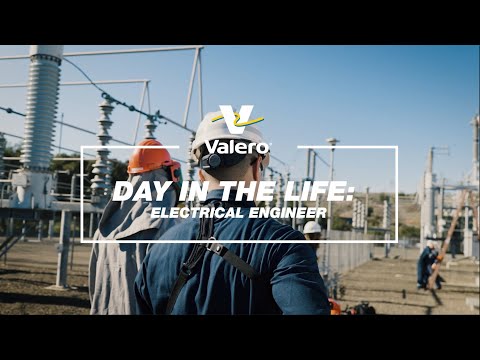
The design review at 9 is where the week's calculations face scrutiny: the engineer walks the team through the power distribution design for a new manufacturing facility — load calculations, breaker coordination, conductor sizing per code — and defends the margin decisions where cost and safety negotiate. Late morning is calculation work in earnest: fault-current analysis for the utility interconnection, a spec sheet written precisely enough that three competing vendors bid the same product. The afternoon moves to the field: a site visit to the half-built facility, where the installed conduit runs get checked against drawings and a contractor's substitution request gets evaluated on the spot — approved, with documentation, because the engineer's stamp means personal accountability for what gets built. A prototype test in the lab closes the day. The profession's quiet covenant: everything electrical that doesn't catch fire was calculated by someone.
Tasks at the job
- Design, implement, maintain, or improve electrical instruments, equipment, facilities, components, products, or systems for commercial, industrial, or domestic purposes.
- Oversee project production efforts to assure projects are completed on time and within budget.
- Direct or coordinate manufacturing, construction, installation, maintenance, support, documentation, or testing activities to ensure compliance with specifications, codes, or customer requirements.
- Perform detailed calculations to compute and establish manufacturing, construction, or installation standards or specifications.
- Operate computer-assisted engineering or design software or equipment to perform engineering tasks.
- Confer with engineers, customers, or others to discuss existing or potential engineering projects or products.
Workplace & working conditions
Work happens indoors in a climate-controlled setting, and most of the day is spent sitting at a desk.
There's a regular, moderate amount of time pressure, and you're expected to exercise significant independent judgment day to day. Precision and accuracy are essential to the work, and the work is highly structured, following set procedures. You'll regularly deal with frustrated or upset people as part of the job.
Education necessary or common
Bachelor's degree
Common college majors
Licenses & certifications
- FE (Fundamentals of Engineering) exam
- PE (Professional Engineer) license
- ABET-accredited degree as the foundation
Career path
Related fields
Courses to take
- AP Physics C: Electricity & Magnetism — the discipline's core physics
- AP Calculus BC — engineering math foundation
- AP Computer Science A — modern EE codes and simulates
- Chemistry — materials and semiconductors
- Electronics/PLTW Digital Electronics — hands-on head start
Clubs, activities & competitions
- FIRST Robotics — electrical subsystem lead if you can get it
- Science Olympiad circuit lab
- TSA engineering events
- Amateur radio license — real RF and circuit knowledge
- Math team
First steps you can take now
- Build five circuits from an Arduino or breadboard kit this month
- Take a free intro circuits course and learn Ohm's and Kirchhoff's laws properly
- Get your amateur radio Technician license — a real credential a teen can earn
- Tour any facility with an engineer and ask what they calculate daily