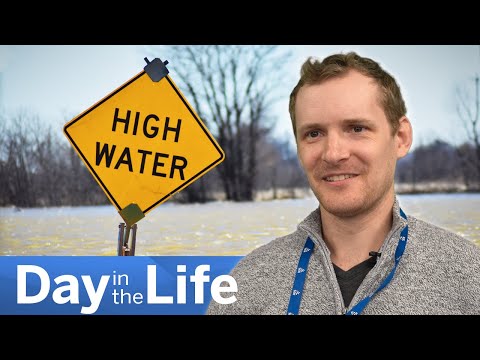
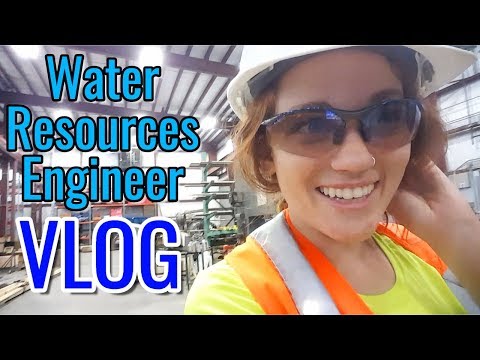
Photo: USEPA Environmental-Protection-Agency (Public domain)
Job description
Projects range widely: modeling how a storm water system handles heavy rainfall, investigating wastewater discharge or contamination complaints, and reviewing engineering designs for detention facilities, storm drains, and flood control structures. Specialists also build longer-term watershed strategies to balance supply and conservation goals against clean water regulations. The work sits at the intersection of environmental science, civil engineering, and public policy, almost always done as part of a larger team of engineers, regulators, and planners.
Pros
- Strong earning ceiling up to $317k, with solid pay even at entry level
- Faster than average growth (3.7%) as water infrastructure and regulation needs grow
- Technical variety spanning modeling, field investigation, and regulatory review
Cons
- Requires deep technical modeling skills (hydrology, hydraulics, water quality) that take time to build
- Work is tied to regulatory compliance deadlines and government review cycles
- Misjudging flood control or contamination risk carries real public safety stakes
A typical day
The morning starts with the reservoir numbers -- storage, snowpack, and demand forecasts feeding the question that runs the whole year: does the district have enough water, and at what risk level? Midday is a groundwater meeting where pumping data shows a well field declining faster than the model predicted, and the recharge project's timeline suddenly matters more. The afternoon holds regulatory work -- a discharge-permit renewal and comments on proposed state rules -- followed by a city council briefing where conservation-rate proposals meet politics. The day ends reviewing a consultant's climate-scenario study, because planning for the wrong future is the field's cardinal sin.
Tasks at the job
- Perform hydrologic, hydraulic, or water quality modeling.
- Analyze storm water systems to identify opportunities for water resource improvements.
- Conduct, or oversee the conduct of, investigations on matters such as water storage, wastewater discharge, pollutants, permits, or other compliance and regulatory issues.
- Develop strategies for watershed operations to meet water supply and conservation goals or to ensure regulatory compliance with clean water laws or regulations.
- Conduct technical studies for water resources on topics such as pollutants and water treatment options.
- Review or evaluate designs for water detention facilities, storm drains, flood control facilities, or other hydraulic structures.
Workplace & working conditions
Work happens indoors in a climate-controlled setting, and most of the day is spent sitting at a desk.
There's a regular, moderate amount of time pressure, and you're expected to exercise significant independent judgment day to day. Almost all of the work is done as part of a team.
Education necessary or common
Bachelor's degree
Common college majors
Licenses & certifications
- PE license (engineering track)
- CFM (Certified Floodplain Manager, where relevant)
Career path
Related fields
Courses to take
- AP Environmental Science -- the water cycle as a management problem
- AP Chemistry -- water quality is chemistry
- AP Statistics -- forecasts, trends, and risk
- AP US Government -- water is governed, allocated, and litigated
- AP Calculus -- for the engineering-track version of this career
Clubs, activities & competitions
- Environmental club -- run a water audit of your school
- Science fair with a watershed or conservation project
- Model UN -- resource-conflict simulations
- Stream monitoring volunteering with a local watershed group
First steps you can take now
- Trace your tap water to its source and your drain to its discharge -- literally map it
- Volunteer with a watershed monitoring group
- Read your utility's annual water quality report closely
- Interview someone at your water district about drought planning