Photo: Sgt. Brian Tuthill (Public domain)
Job description
This includes personal chefs, who typically handle every meal for a household, and sometimes other staff, planning menus around an employer's preferences and restrictions, then shopping for the ingredients and supplies to pull it off. Beyond cooking, the job often includes packaging and labeling meals for later, with reheating instructions, and keeping basic records of menus and expenses. It's a role built on trust and consistency with one household rather than variety across many customers, and it can pay comparatively well, up to about $91,130, for cooks who build a strong reputation.
Pros
- Pay can reach over $91k at the top of the range for a specialized, in-home culinary role
- Faster than average projected job growth (5.1%) as demand for personal chef services expands
- High autonomy in planning menus and running the kitchen according to employer preferences
Cons
- Job security depends on a single employer relationship rather than a broader institutional employer
- Work means adapting recipes and diets closely to one household's specific tastes, limiting creative range
- Requires juggling shopping, meal prep, and record-keeping alone without kitchen support staff
A typical day
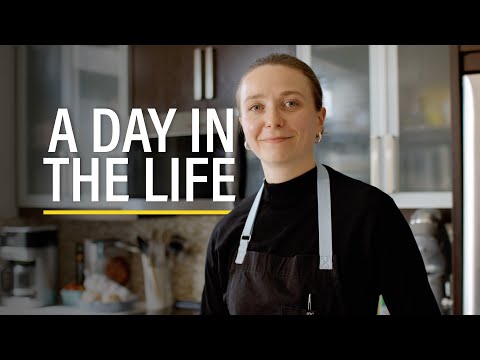
The day starts with the family calendar, not a menu board: the kids have practice until 6, one parent is gluten-free, and Thursday's dinner party for eight just got confirmed. Marketing comes first — the farmers market for produce, the good butcher across town, receipts logged against the household account. The afternoon is production: tonight's dinner timed to the family's schedule, plus batch-cooked lunches for the week, labeled and stored with reheating instructions written out. A private cook's menu planning is intimate work — learning that the youngest won't touch anything green unless it's blended into sauce is as important as knife skills. Discretion and reliability keep the job; the cooking gets you hired.
Tasks at the job
- Peel, wash, trim, and cook vegetables and meats, and bake breads and pastries.
- Cool, package, label, and freeze foods for later consumption and provide instructions for reheating.
- Plan menus according to employers' needs and diet restrictions.
- Shop for or order food and kitchen supplies and equipment.
- Prepare meals in private homes according to employers' recipes or tastes, handling all meals for the family and possibly for other household staff.
- Keep records pertaining to menus, finances, and other business-related issues.
Workplace & working conditions
Work happens indoors in a climate-controlled setting, and most of the day is spent on your feet.
The pace is often fast, with real time pressure to meet deadlines, and you're expected to exercise significant independent judgment day to day.
Education necessary or common
Vocational training, apprenticeship, or associate's degree
Licenses & certifications
- ServSafe Food Handler/Manager
- Culinary school certificate or degree (common but not required)
Career path
Related fields
Courses to take
- Culinary Arts — the craft itself
- Health/Nutrition — diets and restrictions are half the brief
- Business Math — budgeting and shopping across accounts
- Chemistry — technique is applied science
- A world language — some households are international
Clubs, activities & competitions
- FCCLA/ProStart culinary competitions
- Cook family dinner twice a week — treat it as training
- Part-time restaurant or catering work
- Farmers market job — sourcing knowledge starts there
First steps you can take now
- Plan, shop, cook, and serve one full week of dinners for your family
- Get ServSafe certified
- Build a recipe binder of 30 dishes you can execute reliably
- Offer meal-prep help to a busy family friend for honest feedback