Photo: PEO ACWA (CC BY 2.0)
Job description
Keeping a production line moving is the whole job: removing finished products or waste from machines, placing items into equipment for the next processing step, and transferring materials between storage and work areas by hand or with lift trucks. Helpers also pack and store products once they're complete. Work happens indoors around noise and machinery, so protective gear is standard, and the pace tends to be fast with real deadlines to hit.
Pros
- Large job pool (23,600 positions) with wide availability across many industries
- Low barrier to entry, no prior experience or specialized education needed beyond a HS diploma
- Practical stepping-stone role that can lead into more specialized production positions
Cons
- Employment projected to shrink 8.9% over the next decade
- Pay ceiling under $53,410 with modest room for growth in the role itself
- Fast-paced, physically demanding work with regular exposure to hazardous equipment and contaminants
A typical day
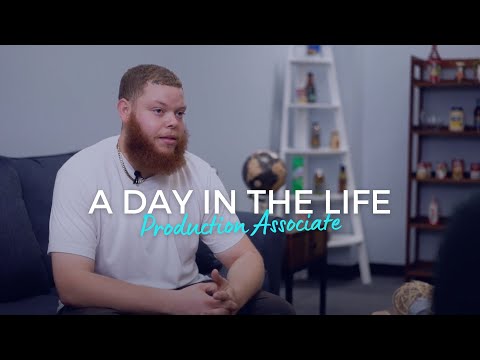
The line starts at 6am sharp, and the helper's station is the front end of a filling machine — loading empty containers onto the conveyor at a pace that never lets the machine starve. Rotations keep the day moving: two hours feeding the line, two hours at the back palletizing finished cases in the stacking pattern the shipping department requires, then a stretch running boxes through the tape machine. When a jam stops the line, the helper clears it fast under the operator's direction and learns a little more about how the machine thinks. Sweeping, weighing samples for quality checks, and staging materials for the next shift close out the day, feet sore, count met.
Tasks at the job
- Remove products, machine attachments, or waste material from machines.
- Place products in equipment or on work surfaces for further processing, inspecting, or wrapping.
- Transfer finished products, raw materials, tools, or equipment between storage and work areas of plants and warehouses, by hand or using hand trucks or powered lift trucks.
- Pack and store materials and products.
- Help production workers by performing duties of lesser skill, such as supplying or holding materials or tools, or cleaning work areas and equipment.
- Load and unload items from machines, conveyors, and conveyances.
Workplace & working conditions
Work happens indoors, though not always in a climate-controlled space. Noise levels can be distracting or uncomfortable. The role involves regular exposure to hazardous equipment or conditions and contaminants, and standard protective equipment (gloves, safety glasses, and similar) is expected.
The pace is often fast, with real time pressure to meet deadlines.
Education necessary or common
High school diploma; some on-the-job training or apprenticeship
Licenses & certifications
- OSHA 10-Hour General Industry
- Forklift operator certification — often the first promotion ticket
- Basic quality or food-safety training (site-dependent)
Related fields
Courses to take
- Shop or Manufacturing Technology — how factories and machines actually work
- Algebra — counts, rates, and quality specs are constant numbers
- Computer Applications — production tracking is digital everywhere
- Physical Education — stamina for a job done standing
- Intro to Business — understanding the operation opens the path to operator and lead roles
Clubs, activities & competitions
- SkillsUSA — manufacturing career exposure and competitions
- Part-time warehouse, grocery stocking, or fast-paced service work
- FIRST Robotics — assembly-line thinking in miniature
- Any team sport — shift work runs on showing up and pulling your weight
First steps you can take now
- Apply for a summer production or warehouse job at 16-18 — many plants hire students
- Tour a local factory if they offer open houses or school visits
- Ask a plant worker what separates helpers who get promoted to operators
- Practice showing up early for everything for one month — attendance is the entire first rung