Photo: Jonjobaker (CC BY-SA 4.0)
Job description
Before ever stepping in front of the ensemble, a conductor studies and interprets the score, then works section by section in rehearsal to shape balance and pacing. Live performance demands split-second precision, since a gesture has to communicate correctly the instant it's given, and conductors often collaborate directly with soloists or composers on interpretation. Beyond the podium, most conductors, especially at smaller regional orchestras, also take on administrative or fundraising duties and travel for guest-conducting engagements.
Pros
- High upside earning potential, up to $300k at top orchestras
- Substantial interpretive autonomy over how a piece is shaped and performed
- Career of artistic leadership guiding a full ensemble
Cons
- Above-average hours, often exceeding a standard 40-hour work week
- Requires years of assistant conducting experience before landing a lead post
- Entry-level pay starts far below the ceiling, around $30k, before a reputation is built
A typical day
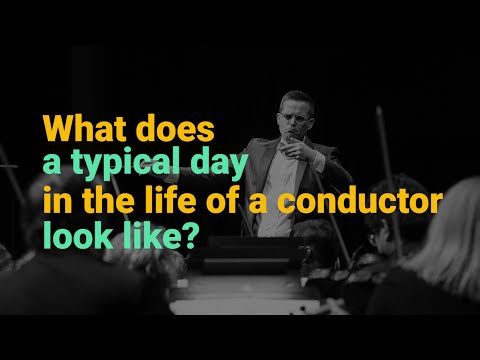
Score study opens the day at 7am, two quiet hours with tomorrow's Brahms — marking phrasings, deciding tempos, and internalizing entrances until the piece plays silently in the conductor's head, because the podium is no place to be learning the music. The 10am rehearsal is the craft made visible: three minutes of playing, then a stop — "violas, the pickup speaks late; let's hear it with the celli" — an ear diagnosing seventy musicians in real time, fixing balance and ensemble with the fewest words possible, since rehearsal minutes are the orchestra's most expensive currency. Lunch is a donor meeting, because music directors fundraise. The afternoon brings auditions behind a screen, next season's programming spreadsheet, and a soloist's concerto tempos negotiated by phone. Concert nights burn it all as fuel: two hours where the study becomes sound.
Tasks at the job
- Study and interpret musical scores ahead of rehearsals.
- Lead rehearsals to shape tempo, dynamics, and balance across the ensemble.
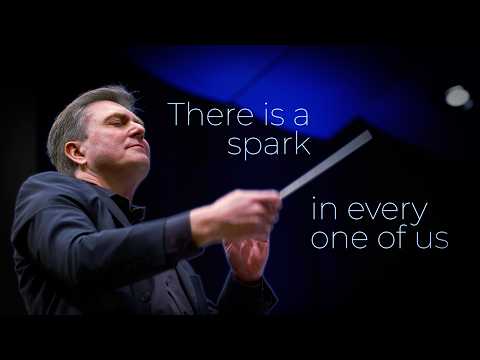
- Conduct live performances, guiding the orchestra through gesture.
- Communicate musical direction and corrections to individual sections.
- Collaborate with soloists, composers, or vocalists on interpretation.
- Travel between orchestras for guest-conducting engagements.
Workplace & working conditions
Work happens in concert halls and rehearsal studios, standing on a podium in front of the full ensemble.
The work demands exacting precision delivered in real time, since a conductor's gesture has to land correctly the instant it's given. There's substantial interpretive autonomy over how a piece is shaped, balanced against a formal, tradition-bound rehearsal process.
Education necessary or common
Bachelor's or master's degree in conducting or music performance, often followed by assistant conductor positions to build experience
Common college majors
Career path
Related fields
Courses to take
- AP Music Theory — the conductor's native language
- Band, Orchestra, or Choir every year — you cannot lead ensembles you haven't lived in
- Piano skills — score reading happens at a keyboard
- World Language: German, Italian, or French — the repertoire's languages
- AP English Literature — interpretation is the job; literature trains it
Clubs, activities & competitions
- All-State ensembles and youth orchestra — the highest-level playing available
- Ask to conduct: warm-ups, a pep band set, a section rehearsal
- Accompany or music-direct a school musical
- Tri-M Music Honor Society leadership
First steps you can take now
- Ask your director this week for five minutes conducting the ensemble — every conductor's career started with someone saying yes
- Learn to read an orchestral score by following one with a recording daily
- Study conducting videos of great conductors rehearsing (not just performing) — rehearsal technique is the real skill
- Get functional at piano if you aren't; it's non-negotiable for conducting programs