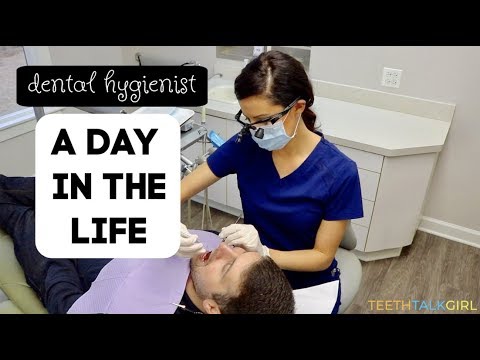
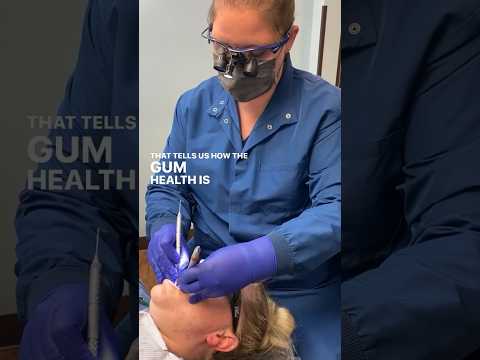
Photo: U.S. Department of Defense (Public domain)
Job description
A hygienist reviews a patient's medical history, examines gums for signs of disease, and feels for swollen lymph nodes that could point to oral cancer, all before moving into hands-on care like applying fluoride or taking x-rays. Some hygienists take on more advanced duties, including administering local anesthetic, depending on their state's regulations and the practice they work in. Decisions often need to be made quickly during an exam, and precision matters throughout; the role requires vocational training or an associate's degree and offers strong pay relative to the length of schooling involved.
Pros
- Strong pay ($75k-$126k) achievable with just an associate's degree, no dental school required
- Faster than average projected job growth (7% over the next decade)
- Standard hours (30-40/week) with predictable scheduling and no overnight call
Cons
- Regular exposure to contaminants and infectious material requires constant PPE use
- Decisions come up constantly and often need to be made quickly, adding steady mental pressure
- Precision-dependent exams and cleanings performed in close physical contact with patients all day
A typical day
Eight patients fill the schedule in fifty-minute blocks, and each is a complete clinical encounter the hygienist owns: health history reviewed (that new blood-pressure medication matters), gums probed and pocket depths charted, calculus scaled by hand and ultrasonic, polish, floss, fluoride. The exam is diagnostic work in its own right — the hygienist finds the suspicious sore or the pocket that deepened since last visit and flags it before the dentist's check. Patient education happens with a mirror in hand: showing, not lecturing, where the brushing misses. X-rays get taken on schedule. The wrists and back take a career's toll, so smart hygienists guard their ergonomics from year one. Many work three or four days a week at full pay — the flexibility is a quiet perk of the field.
Tasks at the job
- Record and review patient medical histories.
- Feel and visually examine gums for sores and signs of disease.
- Expose and develop x-ray film.
- Apply fluorides or other cavity preventing agents to arrest dental decay.
- Feel lymph nodes under patient's chin to detect swelling or tenderness that could indicate presence of oral cancer.
- Administer local anesthetic agents.
Workplace & working conditions
Work happens indoors in a climate-controlled setting, and most of the day is spent sitting at a desk, and you work in close physical proximity to coworkers or the public for much of the shift. The role involves regular exposure to contaminants, and standard protective equipment (gloves, safety glasses, and similar) is expected.
There's a regular, moderate amount of time pressure, and decisions come up constantly and often need to be made quickly. Precision and accuracy are essential to the work.
Education necessary or common
Vocational training, apprenticeship, or associate's degree
Common college majors
Licenses & certifications
- Registered Dental Hygienist (RDH) state license
- National Board Dental Hygiene Examination
- Local anesthesia certification where states allow
Career path
Related fields
Courses to take
- AP Biology — the scientific core
- Anatomy & Physiology — oral and systemic health connect
- Chemistry — required for hygiene programs
- Health — prevention is the profession's philosophy
- Psychology — behavior change, one patient at a time
Clubs, activities & competitions
- HOSA (Future Health Professionals)
- Health science career pathway courses
- Volunteer at dental or community health clinics
- Any role with fine motor skill: art, instrument, lab work
First steps you can take now
- Shadow a dental hygienist for a morning — ask your own dental office
- Research accredited dental hygiene programs and their prerequisite courses
- Get CPR certified
- Ask a hygienist what they wish they'd known before choosing the field