Photo: New Zealand Defence Force from Wellington, New Zealand (CC BY 2.0)
Job description
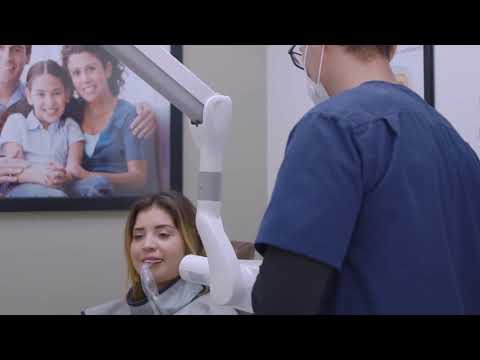
Clinical duties include sterilizing instruments, setting up trays, taking x-rays, and assisting chairside during procedures, along with stepping in to help if a dental or medical emergency comes up. Assistants also pour and polish study casts and keep detailed treatment records, and depending on the practice, may take on administrative tasks like scheduling, billing, and insurance coding. The job involves close, constant contact with patients and regular exposure to potentially hazardous materials, which makes protective equipment standard; it's typically a vocational training or associate's degree role with strong projected job growth.
Pros
- Standard, predictable hours (30-40/week) with faster than average growth (6.4%)
- Over 52,900 positions nationwide, broad availability across dental practices
- Accessible entry point, vocational training or an associate's degree, no dental school needed
Cons
- Regular exposure to hazardous equipment and contaminants requires specialized protective equipment
- Pay ceiling is modest ($37k-$62k) despite the clinical precision the role demands
- Blends clinical duties (assisting during procedures) with administrative work like billing and scheduling
A typical day
The operatories get set before the first patient: trays for a morning of fillings and a crown prep, instruments sterilized and pouched, suction lines flushed. Chairside is the core of the day — anticipating the dentist's next instrument before it's asked for, keeping the field dry with suction, mixing materials at exactly the right moment, and reading the patient's white knuckles well enough to offer the reassurance the dentist is too focused to give. Between patients: room turnover in minutes, sterilization cycles run and logged, x-rays exposed and checked. The afternoon adds impressions poured into study models and a nervous kid whose first filling goes fine because the assistant made the room feel safe. It's teamwork at eighteen inches' distance, all day.
Tasks at the job
- Prepare patient, sterilize or disinfect instruments, set up instrument trays, prepare materials, or assist dentist during dental procedures.
- Assist dentist in management of medical or dental emergencies.
- Expose dental diagnostic x-rays.
- Pour, trim, and polish study casts.
- Record treatment information in patient records.
- Order and monitor dental supplies and equipment inventory.
Workplace & working conditions
Work happens indoors in a climate-controlled setting, and you work in close physical proximity to coworkers or the public for much of the shift. The role involves regular exposure to hazardous equipment or conditions and contaminants, and specialized protective equipment is standard.
There's a regular, moderate amount of time pressure. Precision and accuracy are essential to the work. You'll regularly deal with frustrated or upset people as part of the job, and almost all of the work is done as part of a team.
Education necessary or common
Vocational training, apprenticeship, or associate's degree
Licenses & certifications
- Certified Dental Assistant (CDA, through DANB)
- State radiography certification for taking x-rays
- CPR/BLS
Career path
Related fields
Courses to take
- Biology — the science under every procedure
- Anatomy & Physiology — heads, teeth, and nerves specifically
- Chemistry — dental materials behave chemically
- Health Science/medical terminology electives
- Psychology — anxious patients are half the chair time
Clubs, activities & competitions
- HOSA — dental terminology and clinical events
- Health careers pathway programs — some include dental assisting
- Volunteer at a dental clinic or community health event
- Part-time front-desk work at any medical office
First steps you can take now
- Shadow a dental assistant — call a local office; most say yes to serious students
- Look up your state's requirements — some allow on-the-job training, others require a program
- Get CPR certified
- Ask your own dentist's assistant how they got started