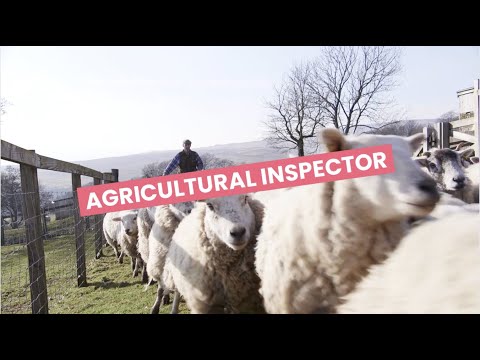
Photo: APHIS.gov (Public domain)
Job description
On a typical inspection, an inspector examines food products and processing procedures on-site, checks that facilities and equipment meet safety and quality standards, and explains any violations or required corrective steps to the farmers, processors, or workers involved. Because the role carries real independent judgment and precision matters, most inspectors work with genuine autonomy rather than close supervision, often covering a rotating territory of farms, processing plants, or fishing and logging operations. Experienced inspectors can specialize by commodity type, such as produce, meat, or grain, or move into supervisory or regulatory-agency roles overseeing broader compliance programs.
Pros
- Pay can reach nearly $80k despite needing only a high school diploma and on-the-job training
- Meaningful public-health role, directly responsible for food and workplace safety compliance
- High autonomy day to day, exercising independent judgment rather than close supervision
Cons
- Above-average hours, routinely more than a standard 40-hour work week
- Only about 2,200 positions nationwide, so jobs may be geographically limited
- Regular exposure to contaminants on top of the pressure of precision-critical inspections
A typical day
The route today is two processing plants and a border shipment. At the first stop by 7:30am, the inspector walks a poultry line checking sanitation logs, temperatures, and carcass condition, documenting everything on a tablet. A truckload of imported produce comes next — random cartons opened, fruit cut and examined for pests that could cost a state's growers millions if missed. The afternoon plant visit finds a labeling violation, which means a calm, firm conversation and a written notice rather than a confrontation. Reports get filed the same day; the paper trail is the protection.
Tasks at the job
- Inspect food products and processing procedures to determine whether products are safe to eat.
- Interpret and enforce government acts and regulations and explain required standards to agricultural workers.
Workplace & working conditions
Work happens indoors in a climate-controlled setting. Noise levels can be distracting or uncomfortable. The role involves regular exposure to contaminants, and standard protective equipment (gloves, safety glasses, and similar) is expected.
There's a regular, moderate amount of time pressure, and you're expected to exercise significant independent judgment day to day. Precision and accuracy are essential to the work.
Education necessary or common
High school diploma; some on-the-job training or apprenticeship
Licenses & certifications
- USDA/FSIS inspector training (agency-provided after hiring)
- State pesticide or food-safety credentials (role-dependent)
- HACCP certification (helpful)
Career path
Related fields
Courses to take
- AP Biology — pests, pathogens, and food safety are applied biology
- Chemistry — residues and sanitation chemistry
- Agriscience courses if offered
- AP English Language — inspection reports must hold up to challenge
- AP Statistics — sampling is the core inspection method
Clubs, activities & competitions
- FFA — food science and livestock evaluation contests are directly relevant
- 4-H animal or food science projects
- Science Olympiad
- HOSA (food safety overlaps public health)
First steps you can take now
- Take a free food-handler safety course to learn the vocabulary inspectors enforce
- Tour a processing facility or farmers-market inspection with your county extension office
- Raise or evaluate an animal or crop project through FFA/4-H
- Read a real FDA or USDA inspection report (they're public) and note what inspectors look for