Photo: 176th Wing Alaska Air National Guard from Anchorage, Alaska, United States (CC BY 2.0)
Job description
Jobs typically involve testing electrical circuits and system controls to find the fault, then measuring, cutting, or bending pipe to fix or install the system, before dialing thermostats and humidistats in to the manufacturer's settings. Technicians also handle routine maintenance, cleaning, filter changes, power-washing, to keep systems running efficiently between repairs, and file work orders documenting materials used and issues found. The role spans residential, commercial, and industrial settings and often means working outdoors regardless of weather, and many technicians eventually specialize in refrigeration or commercial systems, or pick up additional certifications like EPA refrigerant handling credentials.
Pros
- Much faster than average projected job growth at 8.1%, with over 40,000 jobs
- Strong pay ceiling near $95k reachable through vocational training or apprenticeship
- In demand in nearly every climate, giving broad geographic flexibility for work
Cons
- Outdoor work exposed to weather, plus regular exposure to hazardous equipment and heights
- Physically demanding, on-your-feet work with real deadline pressure
- Following highly structured procedures leaves less room for on-the-job improvisation
A typical day
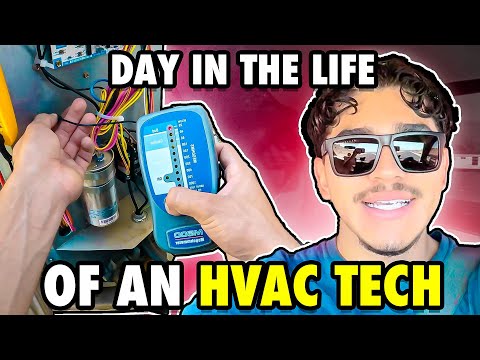
The van is loaded by 7:30am and the first call is a no-cool complaint in a summer heat wave — gauges on the refrigerant lines, a failed capacitor found in ten minutes, swapped in twenty, and a grateful homeowner signed off before ten. The second job is bigger: a full furnace-and-AC replacement, spending hours brazing line sets, setting the condenser, pulling vacuum, and dialing in airflow. Between calls the dispatcher reroutes the afternoon for an emergency at a restaurant whose walk-in cooler is dying with a weekend's inventory inside. The day ends logging refrigerant use — an EPA legal requirement — and restocking the van for tomorrow's schedule.
Tasks at the job
- Test electrical circuits or components for continuity, using electrical test equipment.
- Adjust system controls to settings recommended by manufacturer to balance system.
- Measure, cut, thread, or bend pipe or tubing, using pipe fitter's tools.
- Record and report time, materials, faults, deficiencies, or other unusual occurrences on work orders.
- Recommend, develop, or perform preventive or general maintenance procedures, such as cleaning, power-washing, or vacuuming equipment, oiling parts, or changing filters.
- Install, connect, or adjust thermostats, humidistats, or timers.
Workplace & working conditions
Work happens primarily outdoors, exposed to whatever the weather is doing, and most of the day is spent on your feet. Noise levels can be distracting or uncomfortable. The role involves regular exposure to hazardous equipment or conditions and contaminants and working at heights, and standard protective equipment (gloves, safety glasses, and similar) is expected.
There's a regular, moderate amount of time pressure, and you're expected to exercise significant independent judgment day to day. The work is highly structured, following set procedures.
Education necessary or common
Vocational training, apprenticeship, or associate's degree
Licenses & certifications
- EPA Section 608 Certification — federally required to handle refrigerants
- NATE Certification — the industry's respected competency credential
- State HVAC contractor license (for running your own shop later)
- OSHA 10-Hour Construction
Career path
Related fields
Courses to take
- HVAC or Building Trades (career/tech center) — some programs feed straight into apprenticeships
- Physics — refrigeration is thermodynamics you can hold in your hands
- Algebra — load calculations, electrical values, and airflow math
- Electronics or Electrical Trades — modern systems are half electrical work
- Computer Applications — diagnostics, controls, and scheduling all run digital
Clubs, activities & competitions
- SkillsUSA — HVAC-R is a national competition category
- Part-time or summer helper work with an HVAC or plumbing company
- Robotics club — wiring, sensors, and troubleshooting practice
- Take apart and rebuild small appliances at home to learn systems thinking
First steps you can take now
- Ask a local HVAC company about ride-along or helper opportunities — the trade is hungry for young people
- Take the EPA Section 608 study materials online — you can earn this required certification before graduating
- Enroll in your career center's HVAC program if one exists
- Replace a thermostat or clean a home AC condenser (with permission) to get hands on real equipment