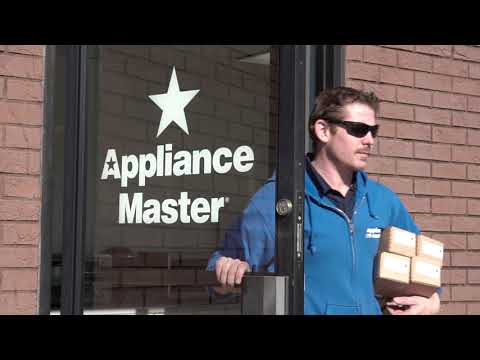
Photo: Tim Green from Bradford (CC BY 2.0)
Job description
A service call typically starts with tracing circuits or testing gas lines to find the problem, then repairing or replacing the faulty part, reassembling the unit, and giving the customer a cost estimate, including an honest read on whether repair still makes sense versus buying new. Some calls, like a suspected gas leak, require an immediate response rather than a scheduled visit. Repairers usually work solo out of a service vehicle, and experienced technicians often specialize in particular brands or appliance types, or eventually start their own repair business.
Pros
- Only a high school diploma plus on-the-job training or apprenticeship required to enter
- Steady demand with about 3,100 jobs and growth near the average rate (2.6%)
- Hands-on troubleshooting work with a different repair problem to solve on each call
Cons
- Pay tops out around $80k, a ceiling for a skilled trade
- Regular exposure to hazardous equipment and conditions, including gas leak emergency calls
- Frequently deals with frustrated or upset customers, adding emotional strain to service calls
A typical day
The first stop is a refrigerator warm on top and freezing below — the repairer runs the diagnostic mode, tests the evaporator fan, finds it seized, and swaps it from truck stock inside forty minutes. Each call is a fresh puzzle in a stranger's kitchen: a washer that walks across the floor (bad suspension rods), an oven heating unevenly (failing igniter measured with a meter, not guessed at). Between houses there's routing, parts lookups by model number, and a call to warn the 2pm customer about a delay. One job turns into an estimate the customer declines — the repairer explains honestly when a machine isn't worth fixing. Paperwork, payments, and restocking the truck end the day.
Tasks at the job
- Trace electrical circuits, following diagrams, and conduct tests with circuit testers and other equipment to locate shorts and grounds.
- Provide repair cost estimates, and recommend whether appliance repair or replacement is a better choice.
- Respond to emergency calls for problems such as gas leaks.
- Service and repair domestic electrical or gas appliances, such as clothes washers, refrigerators, stoves, and dryers.
- Reassemble units after repairs are made, making adjustments and cleaning and lubricating parts as needed.
- Test and examine gas pipelines and equipment to locate leaks and faulty connections, and to determine the pressure and flow of gas.
Workplace & working conditions
Work happens mostly inside a vehicle or piece of equipment. The role involves regular exposure to hazardous equipment or conditions and contaminants.
There's a regular, moderate amount of time pressure, and you're expected to exercise significant independent judgment day to day. You'll regularly deal with frustrated or upset people as part of the job.
Education necessary or common
High school diploma; some on-the-job training or apprenticeship
Licenses & certifications
- EPA Section 608 — required to work on sealed refrigeration systems
- Manufacturer factory training certificates (Whirlpool, GE, etc.)
- Professional Service Association (PSA) or MCAP certification
Career path
Related fields
Courses to take
- Electronics or Electrical Trades — appliances are circuits, sensors, and motors
- Auto Shop or Small Engine Repair — mechanical diagnosis transfers directly
- Physics — refrigeration, heat, and motors in daily use
- Algebra — electrical measurements and business math
- Business or Entrepreneurship — many repairers are one-truck businesses
Clubs, activities & competitions
- SkillsUSA — appliance and electronics repair adjacent events
- Fix-it hobby at home — dead appliances are free teachers
- Robotics club — wiring and troubleshooting practice
- Part-time work at an appliance or hardware store
First steps you can take now
- Find a broken small appliance and diagnose it with a multimeter and a free service manual
- Learn to look up parts diagrams by model number on repair sites
- Ask a local appliance repair company if they train helpers — many do, since the field is short-handed
- Watch teardown videos for a washer and a refrigerator to learn the main components