Photo: PattayaPatrol (CC BY-SA 4.0)
Job description
Diagnosis often starts with listening to the engine, examining the frame, and talking with the customer about symptoms before deciding what to take apart. From there, a mechanic might dismantle an engine to replace a carburetor or generator, adjust a drive chain or brakes to spec, or grind valves and replace pistons during a full overhaul. Beyond engine work, the job also covers routine service like mounting and balancing tires and installing accessories, so a single shift can range from a quick tune-up to a multi-day rebuild.
Pros
- Faster than average projected job growth (5.3% over the next decade)
- Climate-controlled indoor shop work, unlike many outdoor trades
- Direct, tangible diagnostic work: listening to an engine and pinpointing the exact problem
Cons
- Entry-level and top pay both trail other vehicle-repair trades, capping near $74k
- A relatively small number of positions nationwide limits where the work is available
- Above-average hours, often exceeding a standard 40-hour work week
A typical day
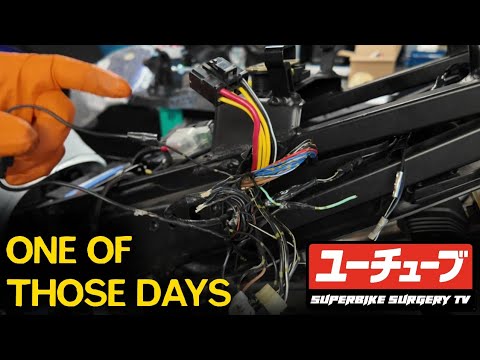
The first bike on the lift is a commuter's scooter that won't idle — ten minutes with a carb cleaner and a vacuum gauge sorts it. The mid-morning job has more meat: a sport bike in for a chain, sprockets, and a suspension setup for a rider heading to a track day, torque wrench clicking to spec at every fastener because at 140 mph, spec matters. Lunch conversation in a bike shop is always bikes. The afternoon is a diagnostic puzzle — an intermittent electrical fault chased through the harness with a multimeter — followed by winter-storage prep on two cruisers. A careful test ride ends each big job, helmet on, listening for anything the tools missed.
Tasks at the job
- Dismantle engines and repair or replace defective parts, such as magnetos, carburetors, or generators.
- Listen to engines, examine vehicle frames, or confer with customers to determine nature and extent of malfunction or damage.
- Repair or adjust motorcycle subassemblies, such as forks, transmissions, brakes, or drive chains, according to specifications.
- Remove cylinder heads and grind valves to scrape off carbon and replace defective valves, pistons, cylinders, or rings, using hand and power tools.
- Install motorcycle accessories.
- Mount, balance, change, or check condition or pressure of tires.
Workplace & working conditions
Work happens indoors in a climate-controlled setting, and most of the day is spent on your feet. Noise levels can be distracting or uncomfortable. The role involves regular exposure to hazardous equipment or conditions and contaminants, and standard protective equipment (gloves, safety glasses, and similar) is expected.
The pace is often fast, with real time pressure to meet deadlines, and you're expected to exercise significant independent judgment day to day. Mistakes can have serious consequences, so accuracy matters a lot, and the work is highly structured, following set procedures. You'll regularly deal with frustrated or upset people as part of the job.
Education necessary or common
Vocational training, apprenticeship, or associate's degree
Licenses & certifications
- Manufacturer certifications (Harley-Davidson, Honda, Yamaha — via MMI or dealer training)
- Motorcycle endorsement on driver's license
- OSHA 10
Career path
Related fields
Courses to take
- Auto Shop or Power Sports CTE courses — small-engine fundamentals are the direct path
- Electronics — modern bikes carry ECUs, sensors, and CAN bus wiring
- Physics — combustion, suspension, and braking dynamics
- Algebra II — gearing math and diagnostic values
- Business — many motorcycle techs eventually run their own shops
Clubs, activities & competitions
- SkillsUSA — power equipment and automotive service events
- Rebuild a dirt bike, moped, or pit bike as a garage project
- Motocross or trail riding club — riders make better techs
- Part-time work at a powersports dealership, even washing bikes
First steps you can take now
- Buy a non-running pit bike or moped cheap and get it started — the full diagnostic loop in miniature
- Take a Motorcycle Safety Foundation course when you're old enough for a permit
- Ask a local dealership service manager what they look for in lube-tech hires
- Compare Motorcycle Mechanics Institute (MMI) and community college powersports programs