Photo: Shixart1985 (CC BY 2.0)
Job description
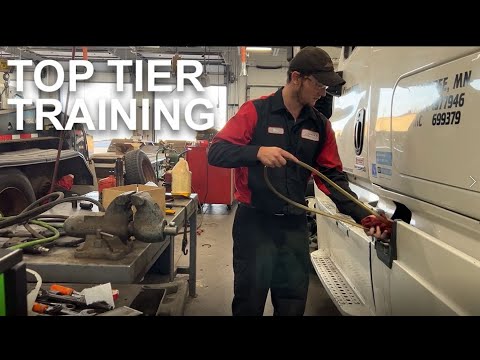
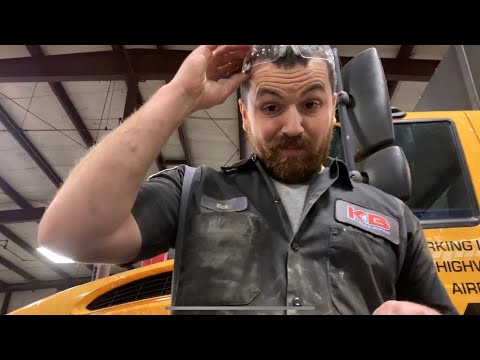
A diesel mechanic's day includes routine maintenance like oil changes and battery checks alongside more involved repairs: rewiring lighting and instrument panels, adjusting brakes, aligning wheels, and rebuilding worn components. Diagnosing a problem often means test-driving the vehicle first, then using hand tools, pneumatic wrenches, and hydraulic jacks or hoists to get underneath or inside heavy equipment. The work happens on your feet, often in noisy shops, and comes with real exposure to hazardous equipment, so gloves and safety glasses are standard gear. Because trucks and buses are essential to keeping goods and people moving, mechanics who specialize in diesel systems stay in steady demand across trucking, transit, and equipment-rental industries.
Pros
- Solid demand with roughly 26,500 positions and steady 2.4% projected growth
- Top pay reaches nearly $89k with vocational training rather than a four-year degree
- Varied, hands-on mechanical work from routine maintenance to full engine diagnostics
Cons
- Above-average hours, often exceeding a standard 40-hour work week
- Regular exposure to hazardous equipment, heights, and loud shop noise
- Fast-paced, deadline-driven work requiring precision on heavy machinery
A typical day
The fleet's problem children are on the board at 7am: a school bus with an air-brake fault gets the first bay because kids ride it Monday, and the mechanic works the system gauge by gauge — compressor, governor, a chafed line found and replaced, then the full FMVSS brake test because paperwork on a bus brake job is a legal document. Mid-morning a highway tractor arrives derated with an aftertreatment fault; diagnosis runs through the laptop, a failed sensor confirmed against live data rather than guessed at, because DEF-system parts are expensive to shotgun. The afternoon is a scheduled PM service — 18 wheels off the ground on lifts that could raise a house, fluids, filters, greasing, and the inspection checklist that catches next month's breakdown today. Big iron, big torque specs, and the satisfaction of machines that work for a living.
Tasks at the job
- Perform routine maintenance such as changing oil, checking batteries, and lubricating equipment and machinery.
- Rewire ignition systems, lights, and instrument panels.
- Test drive trucks and buses to diagnose malfunctions or to ensure that they are working properly.
- Use handtools, such as screwdrivers, pliers, wrenches, pressure gauges, or precision instruments, as well as power tools, such as pneumatic wrenches, lathes, welding equipment, or jacks and hoists.
- Raise trucks, buses, and heavy parts or equipment using hydraulic jacks or hoists.
- Adjust and reline brakes, align wheels, tighten bolts and screws, and reassemble equipment.
Workplace & working conditions
Work happens mostly inside a vehicle or piece of equipment, and most of the day is spent on your feet. Noise levels can be distracting or uncomfortable. The role involves regular exposure to hazardous equipment or conditions and contaminants and working at heights, and standard protective equipment (gloves, safety glasses, and similar) is expected.
The pace is often fast, with real time pressure to meet deadlines, and you're expected to exercise significant independent judgment day to day. Precision and accuracy are essential to the work, and the work is highly structured, following set procedures.
Education necessary or common
Vocational training, apprenticeship, or associate's degree
Common college majors
Licenses & certifications
- ASE T-series (medium/heavy truck) certifications
- DOT/FMVSS inspection certification
- CDL with air-brake endorsement (lets you road-test what you fix)
- EPA 609
Career path
Related fields
Courses to take
- Diesel or Auto Shop — career-center diesel programs are the express lane
- Electronics — modern diesels are computers wearing engines
- Physics — air systems, hydraulics, and combustion
- Algebra
- English — work orders and inspection reports carry legal weight
Clubs, activities & competitions
- SkillsUSA diesel equipment technology competitions
- FFA — farm equipment overlaps heavily
- Work on any diesel or heavy equipment available: farm, family, neighbors
- Robotics team
First steps you can take now
- Enroll in a diesel tech program at a career center or community college — manufacturer-sponsored ones (Cat, Cummins, dealer networks) often lead straight to jobs
- Get your state's air-brake knowledge material and learn the system on paper
- Ask a fleet shop, dealership, or municipal garage about helper/lube-tech openings
- Take OSHA 10 and learn jack-and-stand safety cold — heavy vehicles are unforgiving