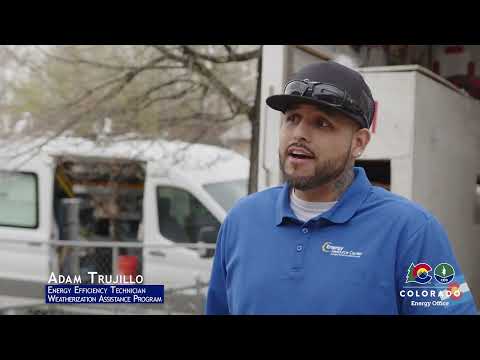
Photo: U.S. Department of Energy from United States (Public domain)
Job description
The job starts with inspecting a building to identify what needs work, then testing airflow with efficiency analysis equipment, sealing ducts and ventilation openings, and applying insulation (loose fill, batts, boards, or foam) to attics, crawl spaces, and walls. Technicians also make minor repairs with basic hand and power tools and advise clients on energy conservation measures and applicable codes. Most of the work happens outdoors in whatever weather shows up, often at heights or around hazardous conditions, with standard protective gear part of the routine.
Pros
- Entry-level accessible: high school diploma plus on-the-job training, no degree required
- Hands-on, varied work mixing diagnostics, insulation, and minor carpentry and HVAC repair
- Directly ties to energy savings for clients, work with a tangible, explainable payoff
Cons
- Outdoor work exposed to whatever the weather brings, year-round
- Regular exposure to hazardous equipment, working at heights, and contaminants requiring specialized gear
- Physically demanding, on your feet all day inspecting, insulating, and repairing structures
A typical day
The day starts with a blower-door test at a 1950s ranch house -- a fan depressurizes the home and the gauge quantifies exactly how leaky it is, turning drafts into data. The morning's work follows the diagnosis: air-sealing the attic plane with foam, dense-packing walls with cellulose through drilled-and-plugged holes. After lunch comes combustion-safety testing on the furnace and water heater, because tightening a house without checking them can create carbon monoxide risk, and this crew tests every time. The final blower-door number at day's end shows a 30 percent leakage drop -- an energy bill permanently changed, measured on the spot.
Tasks at the job
- Test and diagnose air flow systems, using furnace efficiency analysis equipment.
- Install and seal air ducts, combustion air openings, or ventilation openings to improve heating and cooling efficiency.
- Inspect buildings to identify required weatherization measures, including repair work, modification, or replacement.
- Recommend weatherization techniques to clients in accordance with needs and applicable energy regulations, codes, policies, or statutes.
- Apply insulation materials, such as loose, blanket, board, and foam insulation to attics, crawl spaces, basements, or walls.
- Make minor repairs using basic hand or power tools and materials, such as glass, lumber, and drywall.
Workplace & working conditions
Work happens primarily outdoors, exposed to whatever the weather is doing, and most of the day is spent on your feet. Noise levels can be distracting or uncomfortable. The role involves regular exposure to hazardous equipment or conditions and contaminants and working at heights, and specialized protective equipment is standard.
There's a regular, moderate amount of time pressure.
Education necessary or common
High school diploma; some on-the-job training or apprenticeship
Licenses & certifications
- BPI certifications (Building Analyst)
- OSHA 10
- EPA RRP lead-safe (pre-1978 homes)
Career path
Related fields
Courses to take
- Physics -- heat transfer and air pressure are the daily science
- Shop or construction trades -- tools and building assemblies
- Environmental science -- efficiency's why
- Algebra -- CFM readings, R-values, and payback math
Clubs, activities & competitions
- SkillsUSA construction events
- Habitat for Humanity builds
- Environmental club energy-audit projects
- A construction or handyman helper job
First steps you can take now
- Do a DIY energy audit of your home -- find leaks with an incense stick on a windy day
- Take the free OSHA 10 construction course
- Look up weatherization assistance program (WAP) crews in your state -- they hire and train
- Learn what a blower door and infrared camera reveal from field videos