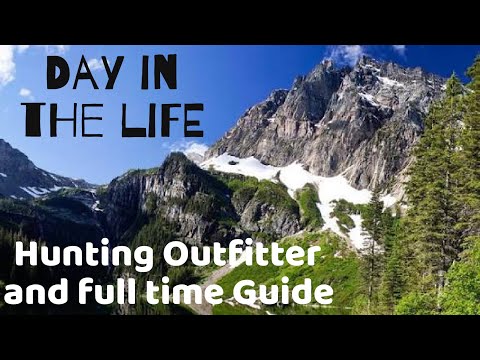
Photo: Lewis Clarke (CC BY-SA 2.0)
Job description
Before a hunt, guides scout the terrain to locate game and pick likely spots, then lead clients on foot, by vehicle, or on horseback, often heading out well before sunrise. Along the way they instruct clients on safe firearm or bow handling, set up blinds or camps for multi-day trips, and after a successful hunt, help track, field dress, and transport the animal. Days can mean long stretches of quiet waiting broken up by bursts of intense activity, and because firearms are involved, guides carry real responsibility for client safety as well as making sure everyone follows local hunting regulations and tags. The work is highly seasonal and tied to specific regions and hunting seasons.
Pros
- Low barrier to entry: a state guide license and wilderness first aid credential, no college degree needed
- Hands-on outdoor work for people who want to be in the field rather than at a desk
- Direct, tangible responsibility and trust placed in you by clients on every trip
Cons
- Entry-level pay can be quite low, and the work is highly seasonal, tied to specific hunting seasons
- Long days that start well before dawn, often in cold, wet, or rugged conditions
- Carries real safety responsibility for clients and firearms with limited backup in remote settings
A typical day
The alarm goes off at 3:45am; clients meet at the truck at 4:30 with coffee, and the guide has already checked wind direction and picked the morning's setup from a week of scouting. The pre-dawn hike in is quiet and deliberate, and by first light the group is glassing a ridgeline where the guide patterned elk three days ago. The middle hours are the craft — reading sign, adjusting position when the wind swings, coaching a nervous client through a shot opportunity that comes and goes in a minute, and enforcing safety rules without softening them. Midday is butchering and packing work if the hunt succeeds, or lunch and repositioning if not. Evenings mean gear maintenance, license paperwork, tomorrow's plan, and dinner-table storytelling — half the client experience happens back at camp.
Tasks at the job
- Scout terrain in advance to locate game and identify likely hunting spots.
- Lead clients on foot, by vehicle, or on horseback into hunting areas, often before sunrise.
- Instruct clients on safe firearm or bow handling, tracking, and shot placement.
- Set up blinds, stands, or camps and manage gear for multi-day hunting trips.
- Track wounded game and assist with field dressing and transporting harvested animals.
- Ensure clients follow hunting regulations, tags, and seasons for the area.
Workplace & working conditions
Work happens outdoors in remote wilderness, ranch, or forest terrain, often in cold, wet, or rugged conditions and far from towns.
Days start well before dawn and can involve hours of quiet waiting followed by bursts of intense activity, with real safety responsibility any time firearms are involved. Guides carry direct responsibility for client safety and legal compliance in a setting with limited backup.
Education necessary or common
No formal degree required; a state hunting guide license, and often a wilderness first aid certification, are the real credentials
Licenses & certifications
- State hunting guide/outfitter license — the core legal credential
- Wilderness First Aid / Wilderness First Responder
- CPR certification
- USCG captain's license if guiding involves waterfowl boats
Career path
Related fields
Courses to take
- Biology — animal behavior, anatomy, and habitat are professional knowledge
- Environmental Science — land, seasons, and conservation law shape everything
- Physical Education — mountain stamina is a job requirement
- Business Math — most guides are small businesses with thin seasonal margins
- Public Speaking — clients pay for the person as much as the hunt
Clubs, activities & competitions
- Hunter education certification course — the legal and practical starting point
- 4-H shooting sports program — safety and marksmanship with structure
- FFA — land and wildlife management exposure
- Backpacking, orienteering, or scouting — real backcountry hours
- Volunteer for habitat improvement days with a conservation group (Ducks Unlimited, RMEF chapters)
First steps you can take now
- Complete your state's hunter education course — required before you can hunt, and step one toward guiding
- Log real field time: scout, track, and learn one species' patterns across a season
- Get Wilderness First Aid certified — most outfitters require it
- Ask a local outfitter about wrangler, camp hand, or packer jobs — the traditional apprenticeship into guiding