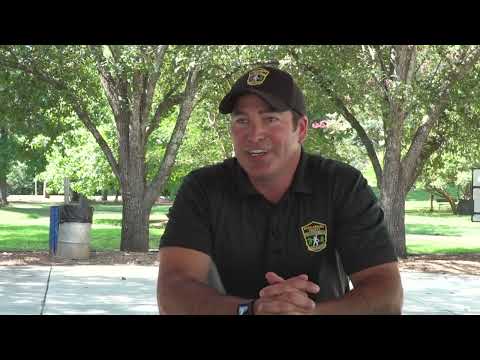
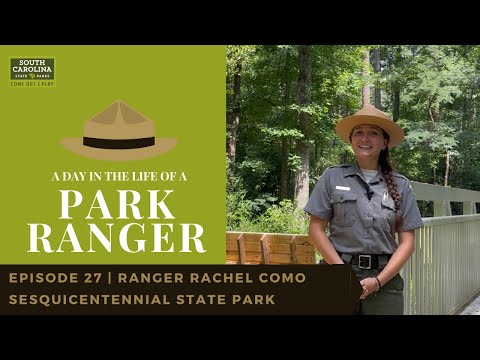
Photo: Sal Roux (CC BY-SA 4.0)
Job description
Day to day work includes patrolling trails and facilities by vehicle, foot, or horseback, leading educational programs for visitors, and monitoring wildlife, water sources, and other resources for signs of change. Law-enforcement-commissioned rangers also issue citations for violations like illegal camping and respond to emergencies such as injuries, lost hikers, or wildfires. The job happens outdoors in remote terrain across all seasons, often far from backup, so independent judgment matters since an emergency call can upend the day's plan without warning.
Pros
- Outdoor, hands-on work protecting public lands and educating visitors
- Wide variety of duties, from guided tours to genuine search-and-rescue response
- Meaningful conservation impact monitoring wildlife and natural resources over time
Cons
- Pay tops out around $70k, modest relative to the bachelor's degree often required
- Often working alone in remote terrain far from backup or medical help
- Real exposure to wildlife encounters, extreme weather, and physically demanding terrain
A typical day
The morning patrol starts at 7am with the campground loop — quiet checks, a bear-box violation corrected with education rather than a citation, and a family's flat tire that becomes the day's first assist. Mid-morning the radio redirects everything: a hiker overdue on the ridge trail, and the ranger coordinates the search — trailhead vehicle confirmed, two rangers sweeping from opposite ends, the hiker found dehydrated but walking by 11:30. The afternoon mixes the job's many hats: an interpretive talk at the overlook, a trail crew check-in, fee compliance at the entrance station, and paperwork on the morning's incident. For commissioned rangers, a traffic stop on the park road adds the law-enforcement hat. Evening brings the campfire program under actual stars, then a last patrol loop. The office has no walls; the mission is holding the line between people and the place, for both of their sakes.
Tasks at the job
- Patrol park grounds by vehicle, foot, or horseback to monitor visitor safety and resource conditions.
- Enforce park regulations and issue citations for violations such as illegal camping or wildlife disturbance.
- Respond to emergencies including injuries, lost hikers, wildfires, or wildlife encounters.
- Lead educational programs and guided tours for park visitors.
- Monitor trails, water sources, and wildlife populations for signs of environmental change.
Workplace & working conditions
Work happens outdoors in remote, often rugged terrain across all seasons and weather, with real exposure to wildlife encounters, extreme temperatures, and physically demanding terrain, sometimes far from immediate backup or medical help.
The work requires independent judgment in the field since backup can be far away, and emergency response can shift the day's plan without warning. Duties range from routine patrol to genuinely high-stakes search-and-rescue or wildfire response.
Education necessary or common
Bachelor's degree in natural resource management, park management, or a related field is common for federal positions
Common college majors
Licenses & certifications
- Wilderness First Responder
- Law enforcement academy (for commissioned ranger roles)
- CPR/First Aid
Career path
Related fields
Courses to take
- AP Environmental Science — land management's scientific base
- AP Biology — the ecosystems being protected
- AP US Government or History — public lands are civic institutions
- Physical Education — the job is done on foot in weather
- Speech or English — interpretation and incident reports both demand communication
Clubs, activities & competitions
- Scouting high-adventure or Eagle/Gold Award track — outdoor competence with leadership
- Envirothon — environmental science competition
- Volunteer trail work with a parks friends-group
- Lifeguarding or wilderness first aid training — emergency readiness
First steps you can take now
- Volunteer or work a summer job at a state park — seasonal aide roles are the classic pipeline
- Get Wilderness First Aid certified
- Interview a ranger about the three flavors of the job — interpretation, resource management, and law enforcement — which require different training
- Look up the federal Pathways internship program and your state park system's seasonal hiring page