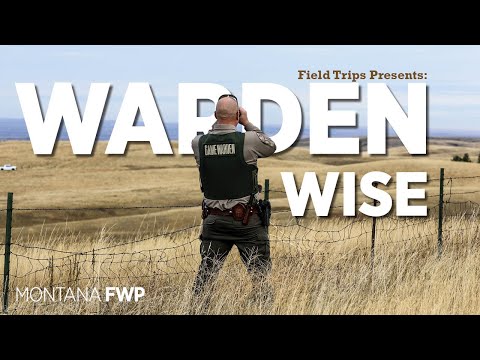
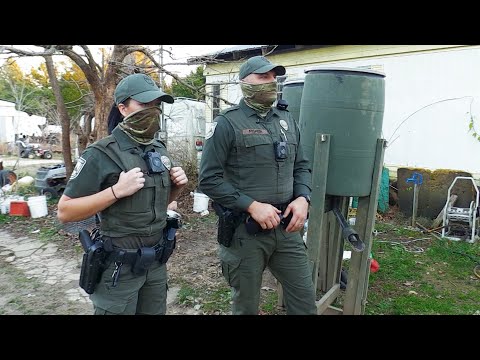
Photo: USFWS Mountain Prairie (Public domain)
Job description
Wardens cover their territory by car, boat, airplane, horse, or on foot, and when they find a violation they compile evidence, issue citations, and sometimes serve warrants or make arrests. Part of the job also involves investigating hunting accidents and compiling biological data used to manage wildlife programs, lakes, and land. It's a bachelor's-degree role that blends outdoor fieldwork with law-enforcement authority, and wardens regularly assist other local agencies when their wildlife or backcountry expertise is needed.
Pros
- Varied fieldwork by car, boat, plane, horse, or on foot, not a desk job
- Bachelor's-level pay tops out near $101k for a wildlife-focused role
- Real law enforcement authority combined with day-to-day outdoor patrol
Cons
- Job count projected to shrink 6% over the next decade
- Only about 500 positions nationwide, so relocating may be necessary
- Regular exposure to hazardous equipment and frustrated or upset people
A typical day
The warden's patrol starts at a boat ramp at dawn during duck season, checking licenses, bag limits, and plugged shotguns as hunters come off the water — most visits end with a handshake, one ends with a citation. Midday the truck becomes an office: following up on a poaching tip with a landowner interview and photographing a bait pile that makes the case. The afternoon shifts to biology support, helping a wildlife crew net and collar deer for a movement study. After dark the warden works a spotlighting complaint on a back road, lights off, waiting — half cop, half naturalist, entirely alone, which is exactly why the job is competitive.
Tasks at the job
- Patrol assigned areas by car, boat, airplane, horse, or on foot to enforce game, fish, or boating laws or to manage wildlife programs, lakes, or land.
- Compile and present evidence for court actions.
- Investigate hunting accidents or reports of fish or game law violations.
- Issue warnings or citations and file reports as necessary.
- Serve warrants and make arrests.
- Provide assistance to other local law enforcement agencies as required.
Workplace & working conditions
Work happens mostly inside a vehicle or piece of equipment, and you work in close physical proximity to coworkers or the public for much of the shift. The role involves regular exposure to hazardous equipment or conditions and contaminants.
There's a regular, moderate amount of time pressure, and you're expected to exercise significant independent judgment day to day. Mistakes can have serious consequences, so accuracy matters a lot, and the work is highly structured, following set procedures. You'll regularly deal with frustrated or upset people as part of the job.
Education necessary or common
Bachelor's degree
Common college majors
Licenses & certifications
- State law enforcement academy (POST) certification
- Hunter/boater education instructor credentials
- First Aid/CPR and swiftwater or wilderness rescue training
Career path
Related fields
Courses to take
- AP Biology — wildlife management is applied ecology
- AP Environmental Science — habitat, seasons, and conservation law context
- Government/Civics — wardens are commissioned law enforcement
- Physical Education — fitness standards and fieldwork
- Public Speaking — education contacts outnumber citations
Clubs, activities & competitions
- Hunter education certification and ethical hunting or fishing experience
- Envirothon — wildlife and ecology depth
- 4-H shooting sports or wildlife projects
- Volunteer with a state wildlife agency event or cleanup
First steps you can take now
- Complete hunter and boater education courses — wardens live these rules
- Ride along with a game warden (many states allow it at 16-18)
- Volunteer for a wildlife survey or habitat project with your state agency
- Read your state's game laws for one species season and learn how regulations work