Photo: Shixart1985 (CC BY 2.0)
Job description
A typical visit starts with evaluating a patient's spine and neuromuscular system using chiropractic diagnostic methods, then performing manual adjustments to correct alignment issues. Chiropractors also take and maintain detailed medical histories, read x-rays to rule out fractures or disease as the real cause of a patient's pain, and advise on a course of treatment going forward. The work is precise and highly structured, done in close physical contact with patients throughout the day. It requires a Doctor of Chiropractic (DC) degree, and demand for the field is growing faster than most healthcare roles in this catalog, with pay ranging from about $43,000 to $146,000.
Pros
- Much faster than average projected growth at 9.5%, well above typical occupational demand
- Top earners clear $146k, strong upside for a hands-on, direct-patient-care career
- High day-to-day autonomy, running your own diagnosis and treatment plan for each patient
Cons
- Requires a Doctor of Chiropractic degree, a lengthy and costly credentialing path
- Only about 2,800 positions nationwide, so opportunities can be geographically limited
- Precision is essential since manual spinal adjustments carry real risk if done wrong
A typical day
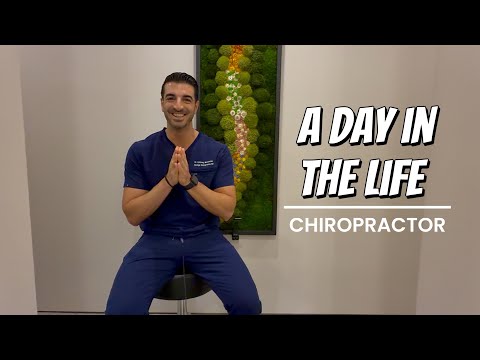
Patients start at 8am in fifteen-to-thirty-minute slots: a new patient gets a full history, posture assessment, and range-of-motion testing before any treatment happens. Most of the day is hands-on — spinal adjustments, soft-tissue work, walking a desk worker through stretches for the neck pain their monitor setup keeps causing. Between visits there are chart notes to write and X-rays to review, plus the occasional call to refer someone out when a case looks like more than a musculoskeletal problem. Many chiropractors run their own clinic, so the day ends with a bit of scheduling, billing, and marketing work.
Tasks at the job
- Evaluate the functioning of the neuromuscularskeletal system and the spine using systems of chiropractic diagnosis.
- Perform a series of manual adjustments to the spine or other articulations of the body to correct the musculoskeletal system.
- Obtain and record patients' medical histories.
- Maintain accurate case histories of patients.
- Advise patients about recommended courses of treatment.
- Analyze x-rays to locate the sources of patients' difficulties and to rule out fractures or diseases as sources of problems.
Workplace & working conditions
Work happens indoors in a climate-controlled setting, and you work in close physical proximity to coworkers or the public for much of the shift.
There's a regular, moderate amount of time pressure, and you're expected to exercise significant independent judgment day to day. Precision and accuracy are essential to the work, and the work is highly structured, following set procedures.
Education necessary or common
Doctor of Chiropractic (DC)
Common college majors
Licenses & certifications
- Doctor of Chiropractic (DC) degree
- State chiropractic license
- National Board of Chiropractic Examiners (NBCE) exams
Career path
Related fields
Courses to take
- AP Biology — anatomy and physiology are the core of chiropractic training
- Anatomy & Physiology — take it if your school offers it; this is the job
- AP Chemistry — required coursework for every Doctor of Chiropractic program
- Physics — joint mechanics and force application are applied physics
- Weight Training/Kinesiology electives — movement science starts here
Clubs, activities & competitions
- HOSA (Future Health Professionals) — competitive events in medical knowledge
- Athletic training student aide for a school sports team
- Sports teams — firsthand feel for training, injury, and recovery
- Volunteer at a physical therapy or rehab clinic
First steps you can take now
- Shadow a chiropractor for a day — most solo practitioners are happy to show a student around
- Ask a physical therapist or athletic trainer how their work differs from chiropractic
- Take a free online anatomy course and learn the major muscle groups and vertebrae
- Look up Doctor of Chiropractic programs to see prerequisites and program length