Photo: Bob Harvey (CC BY-SA 2.0)
Job description
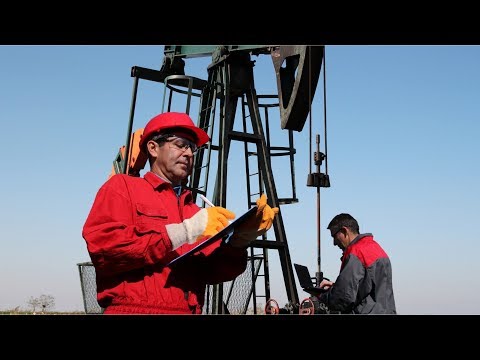
Technicians collect and prepare rock, mud, or fluid samples, then test them in the lab to determine their content and characteristics, logging the results for further analysis. Fieldwork can include participating in geological or geophysical surveys, exploratory drilling, well logging, or underground mine surveys, and technicians often prepare notes, sketches, and geological maps to document what they find. Because the data feeds directly into decisions about drilling or resource extraction, precision and careful record-keeping are essential parts of the job.
Pros
- Pay can reach $99k+ for experienced technicians, well above the entry-level range of $35k
- Varied work spanning lab analysis, field surveys, and technical report writing
- Involvement in resource exploration projects like oil, gas, and mineral surveys
Cons
- Above-average hours (40-50/week) common during active exploration or drilling projects
- Slower than average projected job growth (1.5% over the next decade)
- Only about 1,300 positions nationwide, so opportunities are geographically limited
A typical day
Core boxes from last week's drilling arrive at 7:30, and the technician's morning is logging them: rock types, fracture counts, and mineralization photographed and recorded meter by meter, samples split and bagged for the assay lab with chain-of-custody discipline. Midday moves to the instruments — running a batch of samples through the XRF, calibration checked against standards before a single reading counts. The afternoon is field support: driving to a monitoring well network to collect groundwater levels, then loading survey data into the project database. The geologists interpret; the technician makes sure every number they interpret is real, labeled, and traceable.
Tasks at the job
- Test and analyze samples to determine their content and characteristics, using laboratory apparatus or testing equipment.
- Collect or prepare solid or fluid samples for analysis.
- Compile, log, or record testing or operational data for review and further analysis.
- Prepare notes, sketches, geological maps, or cross-sections.
- Participate in geological, geophysical, geochemical, hydrographic, or oceanographic surveys, prospecting field trips, exploratory drilling, well logging, or underground mine survey programs.
- Prepare or review professional, technical, or other reports regarding sampling, testing, or recommendations of data analysis.
Workplace & working conditions
Work happens indoors in a climate-controlled setting.
There's a regular, moderate amount of time pressure, and you're expected to exercise significant independent judgment day to day. Precision and accuracy are essential to the work.
Education necessary or common
Bachelor's degree
Common college majors
Licenses & certifications
- OSHA 10 and HAZWOPER for site work
- MSHA training for mine sites
- Driller's helper/technician credentials by state where applicable
Career path
Related fields
Courses to take
- Earth Science/Geology — the subject itself where offered
- Chemistry — assays and sample analysis
- AP Environmental Science
- Algebra II — unit conversions and data reduction
- Computer Applications — databases and logging software
Clubs, activities & competitions
- Science Olympiad rocks, minerals, and geologic mapping events
- A rock and mineral club (local societies welcome students)
- Envirothon
- Science fair with an earth science project
First steps you can take now
- Build a labeled rock and mineral collection with real identification work
- Compete in Science Olympiad's geology events
- Visit a working quarry, mine tour, or geology museum
- Look up geology and environmental technology programs at nearby colleges