Photo: jeff medaugh from denver, US (CC BY-SA 2.0)
Job description
Dancers spend much of their time training, exercising, and taking classes just to maintain the physical proficiency the job demands, alongside actually performing in productions that range from classical to modern to acrobatic styles. Much of the work is collaborative, whether coordinating movement with a partner or ensemble or working directly with choreographers to refine steps, and performers need real self-awareness about their own physical strengths and limits to choose material that suits them. It's physically demanding work done mostly on your feet, and it typically requires vocational training or an associate's degree in dance.
Pros
- Faster than average projected job growth at 4.5% over the next decade
- Standard, predictable full-time hours compared to many performing arts careers
- Physically expressive, team-based creative work performing in front of live audiences
Cons
- A relatively small number of positions nationwide, so opportunities may be geographically limited
- Physically demanding, on your feet for most of the day with real risk of injury from repetitive movement
- Requires ongoing training and class attendance just to maintain performance-level physical condition
A typical day
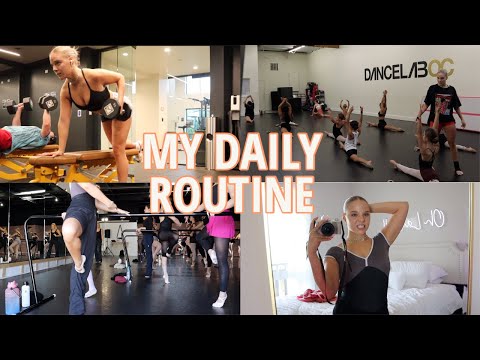
Company class at 9:30am is non-negotiable — ninety minutes of barre and center that tune the instrument before the day's real demands. Rehearsal blocks follow: learning a new work in the morning (the choreographer sets a phrase, the dancers absorb it in two viewings), then an afternoon polishing the season's opener, where the same sixteen counts repeat until eight bodies breathe together. Physical maintenance is woven through everything — ice, physical therapy exercises, the constant negotiation with a body worked at its edge. Performance weeks invert the schedule: class, spacing on stage, hair and makeup, curtain at 7:30, and the electric two hours everything else exists to serve. Careers are short and injury is real; smart dancers cross-train, save money, and plan the second act.
Tasks at the job
- Harmonize body movements to rhythm of musical accompaniment.
- Train, exercise, and attend dance classes to maintain high levels of technical proficiency, physical ability, and physical fitness.
- Coordinate dancing with that of partners or dance ensembles.
- Develop self-understanding of physical capabilities and limitations, and choose dance styles accordingly.
- Perform classical, modern, or acrobatic dances in productions, expressing stories, rhythm, and sound with their bodies.
- Collaborate with choreographers to refine or modify dance steps.
Workplace & working conditions
Work happens indoors in a climate-controlled setting, and most of the day is spent on your feet, and you work in close physical proximity to coworkers or the public for much of the shift. Noise levels can be distracting or uncomfortable.
You'll regularly deal with frustrated or upset people as part of the job, and almost all of the work is done as part of a team.
Education necessary or common
Vocational training, apprenticeship, or associate's degree
Career path
Related fields
Courses to take
- Dance — maximum training hours in your strongest style plus one more
- Anatomy & Physiology — injury prevention is career extension
- Music — phrasing and musicality
- PE/Strength Training — cross-training prevents the injuries pure dancing invites
- Psychology — performance mindset and resilience
Clubs, activities & competitions
- Pre-professional studio or conservatory training — the core commitment
- Summer intensives with respected companies — where careers start
- School dance team or musical productions
- Competition circuit where appropriate to your style
First steps you can take now
- Audition for a summer intensive this year — the application itself teaches you
- Add a complementary style to your training this month
- Start a daily conditioning routine: core, feet, flexibility
- See live professional dance — student rush tickets make it affordable