Photo: KCBalletMedia (CC BY 2.0)
Job description
Inventing movement is just the start; the work also includes choosing the music or sound that will accompany a dance, experimenting informally with different dancers and steps to see what lands, and coaching performers on proper technique to help prevent injury. Choreographers often pull inspiration from theater, visual art, or architecture, and keep notes and sketches to track ideas as a piece develops. They also coordinate closely with music directors and may direct or stage the full presentation once the choreography comes together. It's team-based work that keeps people on their feet most of the day, typically entered through vocational dance training rather than a four-year degree, with pay reflecting the small size of this job market.
Pros
- Fast-growing field, with projected job growth of 6.1% well above average
- High creative autonomy, developing original routines and drawing on influences across art forms
- Standard, predictable full-time hours are common relative to many performing arts careers
Cons
- A relatively small number of positions nationwide, so opportunities may be geographically limited
- Pay varies widely, from around $34k up to $139k depending on venue and reputation
- Requires constant hands-on coaching and correction, including managing dancers' frustration during rehearsal
A typical day
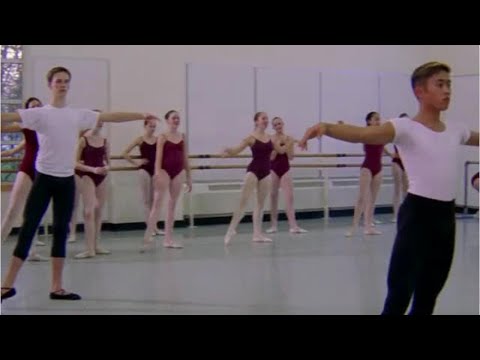
Company class comes first — leading dancers through a warm-up that doubles as a check on who's injured, who's sharp, and whose technique needs attention before rehearsal. The middle of the day is experimentation: trying a phrase on three different dancers, borrowing an image from a painting or a film, keeping what works and cutting what doesn't. There's constant collaboration — a session with the composer about tempo, a costume fitting where a skirt changes how a turn reads. Late afternoon is cleaning: running the same sixteen counts until spacing, timing, and intention all match.
Tasks at the job
- Advise dancers on standing and moving properly, teaching correct dance techniques to help prevent injuries.
- Choose the music, sound effects, or spoken narrative to accompany a dance.
- Experiment with different types of dancers, steps, dances, and placements, testing ideas informally to get feedback from dancers.
- Seek influences from other art forms, such as theatre, the visual arts, and architecture.
- Develop ideas for creating dances, keeping notes and sketches to record influences.
- Coordinate production music with music directors.
Workplace & working conditions
Work happens indoors in a climate-controlled setting, and most of the day is spent on your feet, and you work in close physical proximity to coworkers or the public for much of the shift.
There's a regular, moderate amount of time pressure, and you're expected to exercise significant independent judgment day to day. You'll regularly deal with frustrated or upset people as part of the job, and almost all of the work is done as part of a team.
Education necessary or common
Vocational training, apprenticeship, or associate's degree
Career path
Related fields
Courses to take
- Dance — as many years and styles as your school offers
- Music Theory — choreography is built on musical structure
- Theater Arts — staging and dramatic intent shape dance-making
- Anatomy & Physiology — teaching safe technique means knowing the body
- Visual Arts — many choreographers pull ideas from painting and architecture
Clubs, activities & competitions
- Dance team or studio company — dance daily in multiple styles
- Choreograph for the school musical or talent show
- Summer dance intensives — where choreographers first get noticed
- National Honor Society for Dance Arts (NHSDA)
First steps you can take now
- Set a short piece on two or three friends and film the process
- Take a class in a style you've never tried — range is a choreographer's currency
- Keep a movement journal: write or sketch ideas from music you listen to
- Ask a local studio if you can assist a teacher with younger classes