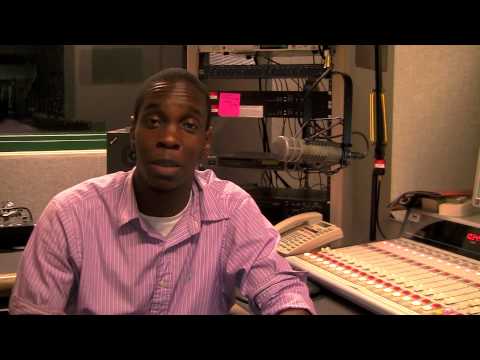
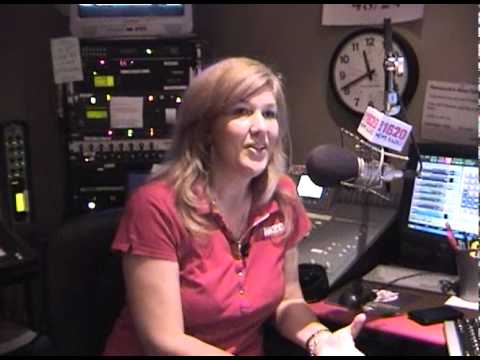
Photo: Thetallnathan (CC BY-SA 3.0)
Job description
Before each show, hosts prepare talking points, playlists, or segment topics, then deliver live banter, interviews, and listener calls once the mic goes on, cueing music and ads from the broadcast board along the way. Because the format is live and conversational, quick thinking matters, whether that's filling dead air or steering around an awkward caller. Increasingly, hosts also build out a podcast or social media presence alongside the broadcast itself to reach listeners beyond a single market, and they review ratings data to shape future content. Studio work often happens during early morning or off-peak hours to match when listeners are actually tuning in.
Pros
- High earning ceiling (up to $200k) for hosts who build a loyal audience
- Flexible lower-end hours (as few as 30/week) compared to many media roles
- Creative, personality-driven work with real audience connection built over time
Cons
- Often requires early morning or off-peak shifts to match listener habits
- Hours can climb (up to 50/week) once promotion and social media are added on
- Live format demands quick thinking to fill dead air with no do-overs
A typical day
For a morning-drive host the alarm rings at 3:30am; by 4:30 they're in the studio pulling overnight news, viral stories, and local angles into a show clock. From 6 to 10am it's live radio: tight talk breaks timed to the second, a listener call contest, an interview with a touring musician, and constant read-throughs of traffic and weather — all while running the board themselves. The energy has to sound effortless at hour four. After the show comes the meeting that shapes tomorrow, voice-tracking promos, recording a podcast version, and content for the station's socials, because a host is now a multi-platform brand. Afternoon nap non-negotiable.
Tasks at the job
- Prepare talking points, playlists, and segment topics before each show.
- Host live segments, banter, and interviews on air.
- Take listener calls and respond to real-time audience feedback.
- Operate the broadcast board and cue music, ads, or sound effects.
- Promote upcoming shows and content across social media.
- Review ratings and listener data to refine future content.
Workplace & working conditions
Work happens in a soundproofed studio booth, often during early morning or off-peak hours to match listener habits.
The pace is live and conversational, requiring quick thinking to fill dead air or pivot around an awkward caller. Personality and consistency matter, since listeners return for a familiar voice day after day.
Education necessary or common
Bachelor's degree in communications or broadcasting is common, though not always required
Common college majors
Career path
Related fields
Courses to take
- English/AP English Language — writing for the ear
- Journalism — news judgment and interviewing
- Speech/Public Speaking — vocal delivery reps
- Digital Media/Audio Production — board skills and editing
- Music courses — genre literacy for music formats
Clubs, activities & competitions
- School radio station or morning announcements — daily mic time
- Podcast for a club or your own show
- School newspaper — content instincts
- Theater or improv — thinking aloud entertainingly
First steps you can take now
- Record a 10-minute practice show this week: talk breaks, a bit, an interview
- Listen critically to one great host and log what they do between the content
- Volunteer at a community or college radio station — many welcome high schoolers
- Learn basic audio editing in Audacity (free)