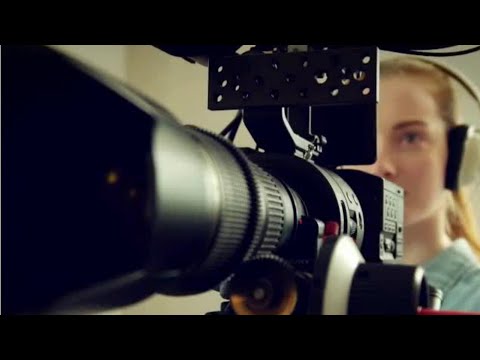
Photo: J.-H. Janßen (CC BY-SA 3.0)
Job description
A day on set involves composing and framing each shot to match the director's intent, adjusting zoom lenses and switching between camera mounts, stationary, track, or crane, as a scene demands. Operators scout locations ahead of time to anticipate lighting or filming challenges, and they maintain and test their own equipment, including microphones, to keep gear ready between takes. Almost none of this work happens solo: operators take direction from directors and cinematographers as part of a larger production crew, and precision matters since a botched shot can mean reshooting an entire scene.
Pros
- High upside earning potential, up to $135,180 for experienced operators
- Only vocational training or an associate's degree needed to break in, not a four-year degree
- Hands-on, creative technical work across film, TV, and video productions
Cons
- Slower than average projected job growth (1.2% over the next decade)
- A relatively small number of positions nationwide, so opportunities may be geographically limited
- Physically demanding setup work, operating cranes, track mounts, and heavy gear on set
A typical day
Call time for the film set is 6:30am, and the operator's first hour is building the day's rig with the camera assistants — body, lens, follow focus, monitor — then rehearsing the opening dolly move with the director of photography until the frame breathes with the actors instead of chasing them. Takes stack up through the morning; between setups the operator studies the next scene's blocking and walks the move. A television studio version of this day is faster and live: three hours of a talk show on a pedestal camera, headset calls from the director — 'camera two, push in' — executed smoothly enough that viewers never sense the machinery. Sports operators track 300-pound athletes with a 40x lens from a platform in the wind. The common craft is the same: composition under pressure, and hands that never jerk.
Tasks at the job
- Compose and frame each shot, applying the technical aspects of light, lenses, film, filters, and camera settings to achieve the effects sought by directors.
- Operate zoom lenses, changing images according to specifications and rehearsal instructions.
- Observe sets or locations for potential problems and to determine filming and lighting requirements.
- Use cameras in any of several different camera mounts, such as stationary, track-mounted, or crane-mounted.
- Test, clean, maintain, and repair broadcast equipment, including testing microphones, to ensure proper working condition.
- Operate television or motion picture cameras to record scenes for television broadcasts, advertising, or motion pictures.
Workplace & working conditions
Work happens indoors in a climate-controlled setting. Noise levels can be distracting or uncomfortable.
There's a regular, moderate amount of time pressure. Precision and accuracy are essential to the work. Almost all of the work is done as part of a team.
Education necessary or common
Vocational training, apprenticeship, or associate's degree
Common college majors
Licenses & certifications
- Drone (FAA Part 107) certification — a real and growing edge
- OSHA 10 (set safety)
Career path
Related fields
Courses to take
- Video Production / Film courses — every one offered
- Photography — composition and exposure are the shared grammar
- Physics — optics and light behave lawfully
- Drama/Theater — understanding performance helps you photograph it
- AP English Literature — story sense shapes shot sense
Clubs, activities & competitions
- Broadcast club / morning announcements camera crew
- Livestream school sports — multi-camera reps under pressure
- Film festival submissions with friends
- Theater tech crew
First steps you can take now
- Shoot one short film or full game broadcast this month and cut it — operating improves only through reps
- Learn manual exposure completely on any camera, even a phone with pro controls
- Study one great film scene shot by shot and diagram the camera positions
- Volunteer to run camera for community theater, church, or local access TV