Photo: SuSanA Secretariat (CC BY 2.0)
Job description
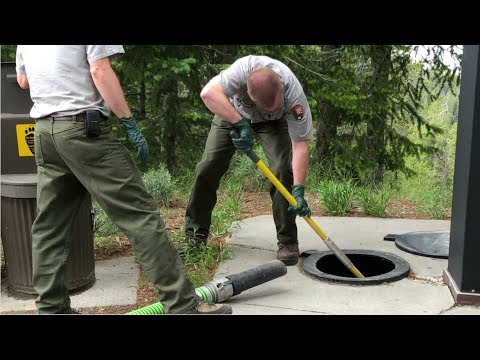
The job starts with inspecting manholes to pinpoint where a sewer line is backed up, then measuring the excavation site with tools like a plumber's snake before marking where to dig. Much of the work is physical, including digging out sewer lines by hand with a shovel when needed, and workers also drive trucks to move crews, materials, and equipment between job sites. Servicers may also patch tank walls, replace damaged drain tile, or repair breaks in underground piping, and the work happens outdoors in all weather, in close contact with coworkers, as part of a team.
Pros
- Faster than average projected growth (7.6%), better job security than many trades
- Low barrier to entry, needing only a high school diploma and on-the-job training
- Essential, steady demand work that isn't easily automated or outsourced
Cons
- Above-average hours, expect more than a standard 40-hour work week
- Physically demanding outdoor work with regular exposure to contaminants and hazardous conditions
- Only about 2,900 positions nationwide, a fairly narrow and unglamorous trade niche
A typical day
The first call is a Saturday-morning classic: a house with backed-up drains, and the technician runs the mainline with a cable machine from the cleanout, feeling the blockage surrender — roots, as usual — then confirms flow with a camera inspection that shows the customer exactly what their pipe looks like and where the trouble will return. Late morning is a scheduled septic pumpout: locate the lid, pump the tank, and inspect baffles and sludge levels while explaining to the homeowner, without judgment, what shouldn't have been flushed. The afternoon brings a jetting job on a restaurant's grease-clogged line and a bid for a drain-field repair. It's unglamorous, essential, recession-proof work — and owner-operators do notably well.
Tasks at the job
- Inspect manholes to locate sewer line stoppages.
- Prepare and keep records of actions taken, including maintenance and repair work.
- Measure excavation sites, using plumbers' snakes, tapelines, or lengths of cutting heads within sewers, and mark areas for digging.
- Communicate with supervisors and other workers, using equipment such as wireless phones, pagers, or radio telephones.
- Dig out sewer lines manually, using shovels.
- Drive trucks to transport crews, materials, and equipment.
Workplace & working conditions
Work happens primarily outdoors, exposed to whatever the weather is doing, and you work in close physical proximity to coworkers or the public for much of the shift. Noise levels can be distracting or uncomfortable. The role involves regular exposure to hazardous equipment or conditions and contaminants, and standard protective equipment (gloves, safety glasses, and similar) is expected.
There's a regular, moderate amount of time pressure, and you're expected to exercise significant independent judgment day to day. Almost all of the work is done as part of a team.
Education necessary or common
High school diploma; some on-the-job training or apprenticeship
Licenses & certifications
- State septic installer/pumper license (varies)
- CDL Class B (for pump trucks)
- OSHA 10
- NAWT inspector certification (later)
Career path
Related fields
Courses to take
- Biology — septic systems are managed bacteriology
- Shop/Mechanical — pumps, cables, and jetters
- Consumer Math — bids, invoices, and running a route
- Driver's Education — a clean record leads to the CDL for pump trucks
- Chemistry — what dissolves, what clogs, what's hazardous
Clubs, activities & competitions
- SkillsUSA — plumbing pathways
- FFA — rural systems familiarity
- A labor or landscaping job
First steps you can take now
- Learn how a septic system works end to end — tank, baffles, drain field
- Ask a local septic or drain company about helper positions at 18
- Keep your driving record clean and study CDL basics
- Get OSHA 10 Construction online