Photo: Jorge Royan (CC BY-SA 3.0)
Job description
Before any paint goes on, painters read work orders, smooth surfaces with sandpaper or sanding machines, and sometimes strip old paint entirely. They mix colors to match a desired shade, calculate material needs and costs from a job's measurements, and set up ladders or scaffolding to reach elevated surfaces. Much of the work happens outdoors in whatever weather shows up, with real exposure to heights and contaminants, so protective equipment is part of the routine.
Pros
- Faster than average projected growth (3.8%) in a sizable field of over 28,000 jobs
- Low barrier to entry: high school diploma with on-the-job training
- Relatively moderate time pressure compared to many other construction trades
Cons
- Outdoor work on scaffolding and ladders, exposed to weather and working at heights
- Regular exposure to paint fumes and other contaminants requiring specialized protective equipment
- Pay tops out under $79k, more modest than several comparable skilled trades
A typical day
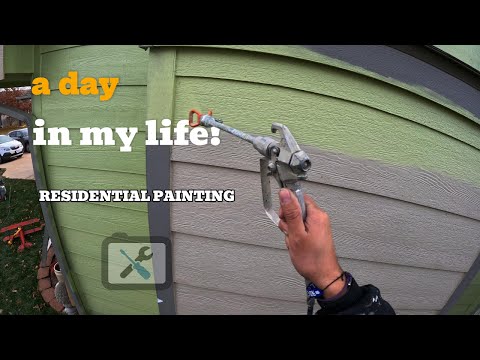
The crew loads the vans at 6:45am — today is an exterior repaint, and the morning's first hours are the part that separates professionals from weekend warriors: pressure-washed surfaces scraped, glazing checked, bare wood spot-primed, and every window masked with a crispness that will make the cut lines look laser-drawn. Spraying starts at 10, one painter running the gun in smooth overlapping passes while another back-rolls, the finish building coat by coat with the weather watched constantly, because humidity and paint have opinions about each other. Lunch happens in the shade of the ladder rack. The afternoon brings brush-and-roll trim work — steady hands freehanding a line where tape can't go — cleanup that leaves the site cleaner than it started, and a walkthrough with the homeowner. Interior season will trade sunburn for drywall dust. The house looks new; the crew made it so in three days.
Tasks at the job
- Smooth surfaces, using sandpaper, scrapers, brushes, steel wool, or sanding machines.
- Read work orders or receive instructions from supervisors or homeowners to determine work requirements.
- Apply paint, stain, varnish, enamel, or other finishes to equipment, buildings, bridges, or other structures, using brushes, spray guns, or rollers.
- Erect scaffolding or swing gates, or set up ladders, to work above ground level.
- Calculate amounts of required materials and estimate costs, based on surface measurements or work orders.
- Select and purchase tools or finishes for surfaces to be covered, considering durability, ease of handling, methods of application, and customers' wishes.
Workplace & working conditions
Work happens primarily outdoors, exposed to whatever the weather is doing, and most of the day is spent on your feet. Noise levels can be distracting or uncomfortable. The role involves regular exposure to contaminants and working at heights, and specialized protective equipment is standard.
There's a regular, moderate amount of time pressure.
Education necessary or common
High school diploma; some on-the-job training or apprenticeship
Licenses & certifications
- EPA RRP lead-safe certification (required for pre-1978 housing work)
- OSHA 10
- IUPAT apprenticeship completion (union path)
Career path
Related fields
Courses to take
- Construction or Building Trades CTE courses — surface prep and finish work fundamentals
- Chemistry — paints, solvents, and adhesion are applied chemistry
- Geometry — area takeoffs and estimating
- Art — color sense and a finish-quality eye
- Business Math — bids, materials, and labor pricing
Clubs, activities & competitions
- SkillsUSA — painting and decorating is a real competition category
- Habitat for Humanity builds — volunteer painting with mentorship
- Theater set crew — fast, clean scenic painting
- Summer painting work for family, neighbors, or a local contractor
First steps you can take now
- Paint one room properly this month — full prep, cut lines, two coats — and study what the pros do differently
- Volunteer for a Habitat or community repaint day
- Learn estimating basics: measure a room and price the job like a contractor would
- Ask a painting contractor about summer helper positions and apprenticeships (IUPAT for the union path)