Photo: Adrian Pingstone (Arpingstone) (Public domain)
Job description
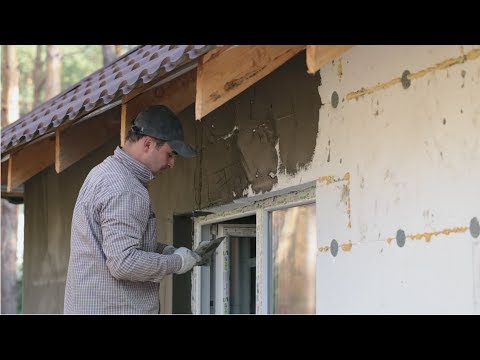
The job starts with prepping surfaces, cleaning them and sometimes taping drywall, then applying coats of plaster or stucco with trowels, brushes, or spray guns and protecting nearby windows and doors from overspray. Some plasterers also mix their own mortar, direct helpers on mixing, or create decorative finish textures using sand, pebbles, or stone. Exterior insulation work is another common task, installing prefabricated insulation panels or a reinforcing mesh and base coat over a building's outer walls, and most of the work happens outdoors on your feet.
Pros
- Pay can reach nearly $97k at the top of the range with just a high school diploma
- Faster than average projected growth (4.1%) in a durable, hands-on craft trade
- Creative, decorative element to the work: textures and finishes beyond basic surface application
Cons
- Only about 1,900 positions nationwide, a small and geographically limited field
- Physically demanding outdoor work on your feet, mixing and applying materials by hand
- Regular exposure to hazardous equipment and working at heights
A typical day
By 7am the crew is masking off windows, doors, and sidewalks with plastic and tape before any material gets mixed. The morning is spent troweling on the scratch coat — long, rhythmic passes across a garage wall, checking flatness with a straightedge as the mud starts to set. Timing rules the day: stucco can't wait, so lunch happens when the coat does, not the other way around. Afternoons might mean spraying a finish coat, hand-texturing an archway to match the rest of the house, or directing a helper on the next mortar batch, then washing tools before anything hardens in them.
Tasks at the job
- Apply coats of plaster or stucco to walls, ceilings, or partitions of buildings, using trowels, brushes, or spray guns.
- Clean and prepare surfaces for applications of plaster, cement, stucco, or similar materials, such as by drywall taping.
- Cover surfaces such as windows, doors, or sidewalks to protect from splashing.
- Mix mortar and plaster to desired consistency or direct workers who perform mixing.
- Create decorative textures in finish coat, using brushes or trowels, sand, pebbles, or stones.
- Apply insulation to building exteriors by installing prefabricated insulation systems over existing walls or by covering the outer wall with insulation board, reinforcing mesh, and a base coat.
Workplace & working conditions
Work happens primarily outdoors, exposed to whatever the weather is doing, and most of the day is spent on your feet. Noise levels can be distracting or uncomfortable. The role involves regular exposure to hazardous equipment or conditions and working at heights, and standard protective equipment (gloves, safety glasses, and similar) is expected.
Education necessary or common
High school diploma; some on-the-job training or apprenticeship
Licenses & certifications
- Registered apprenticeship (OPCMIA or open-shop)
- OSHA 10 Construction
- EPA RRP lead-safe certification (for renovation work)
Career path
Related fields
Courses to take
- Geometry — laying out walls, arches, and coverage areas is applied geometry
- Shop/Construction Trades — trowel and tool skills start here
- Art — decorative textures and ornamental plasterwork reward a trained eye
- Chemistry — knowing how lime, cement, and gypsum cure prevents ruined work
- Physical Education — this is a physically demanding trade
Clubs, activities & competitions
- SkillsUSA — masonry and related building-trades competitions
- Habitat for Humanity volunteer builds
- Set/prop construction crew for school theater productions
First steps you can take now
- Watch plastering technique videos and practice joint compound work on scrap drywall
- Visit a local masonry supply store and ask which contractors take helpers
- Apply for a summer laborer job with a stucco or drywall crew
- Look up your regional union apprenticeship (OPCMIA) requirements