Photo: Tony Webster (CC BY 2.0)
Job description
Much of the shift is spent patrolling from a vehicle across a wide territory, watching for theft, vandalism, and trespassing on railroad property, then writing up reports on whatever turns up. Officers also enforce transit-specific traffic laws and physically apprehend or remove people who don't belong on the tracks or in the yards, often working alongside outside police departments. When something bigger goes wrong, like a derailment, fire, flood, or a labor strike affecting the railroad, officers shift into directing the security response on the ground. It's a role built around vigilance in a noisy, hazardous environment, and comes with routine gear like gloves and safety glasses for the job's more physical moments.
Pros
- Strong pay ceiling (up to $126k) reachable with vocational training or an associate's degree
- Faster than average projected growth (3%) in a specialized transit-security niche
- Varied duties, from routine patrols to responding to derailments, fires, or labor disputes
Cons
- Only about 200 positions nationwide, a very narrow, geographically limited field
- Above-average hours, expect more than a standard 40-hour work week
- Regular exposure to hazardous equipment and conditions while patrolling active rail property
A typical day
The shift starts with roll call and the overnight bulletin: copper thieves hit a rail yard two districts over, and a missing teen was last seen boarding a train downtown. The morning is high-visibility patrol through stations and platforms -- part deterrence, part conversation, checking on the regulars who shelter in the system. Midday brings a fare dispute that de-escalates into a warning and a referral card for services. The afternoon turns technical: walking a freight yard perimeter, checking seals on cars, and coordinating with a conductor about trespassers cutting through -- because on the railroad, trespassing gets people killed.
Tasks at the job
- Prepare reports documenting investigation activities and results.
- Monitor transit areas and conduct security checks to protect railroad properties, patrons, and employees.
- Apprehend or remove trespassers or thieves from railroad property or coordinate with law enforcement agencies in apprehensions and removals.
- Direct security activities at derailments, fires, floods, or strikes involving railroad property.
- Patrol railroad yards, cars, stations, or other facilities to protect company property or shipments and to maintain order.
- Enforce traffic laws regarding the transit system and reprimand individuals who violate them.
Workplace & working conditions
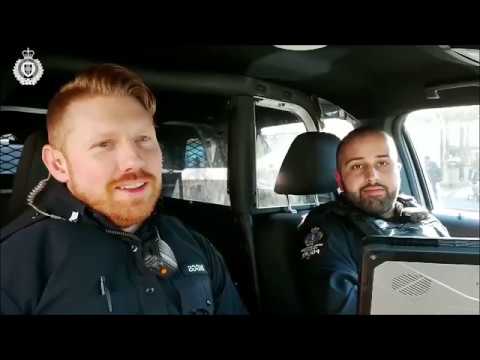
Work happens mostly inside a vehicle or piece of equipment, and you work in close physical proximity to coworkers or the public for much of the shift. Noise levels can be distracting or uncomfortable. The role involves regular exposure to hazardous equipment or conditions and contaminants, and standard protective equipment (gloves, safety glasses, and similar) is expected.
There's a regular, moderate amount of time pressure, and you're expected to exercise significant independent judgment day to day. Precision and accuracy are essential to the work. You'll regularly deal with frustrated or upset people as part of the job.
Education necessary or common
Vocational training, apprenticeship, or associate's degree
Licenses & certifications
- State POST law enforcement certification
- CPR/First Aid
Career path
Related fields
Courses to take
- AP US Government -- constitutional policing basics
- AP Psychology -- de-escalation is the daily tool
- Physical education -- fitness standards are real
- Health/first aid -- officers arrive first
- Spanish or another community language
Clubs, activities & competitions
- Police explorer or cadet program
- Team sports -- composure and teamwork under stress
- First aid and CPR certification
- Volunteer work with unhoused populations -- transit policing meets them daily
First steps you can take now
- Join a law enforcement explorer post
- Do a ride-along or station visit with your transit agency's police when eligible
- Get CPR/First Aid certified
- Learn rail safety basics through Operation Lifesaver's free materials