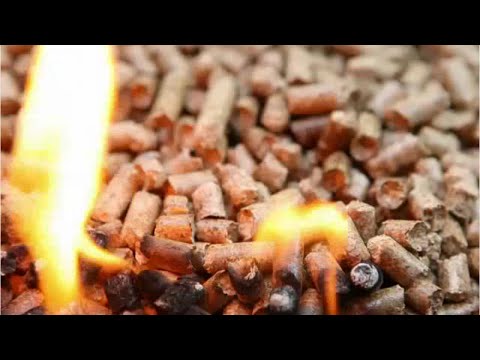
Photo: U.S. Department of Energy from United States (Public domain)
Job description
The work moves between the lab and the pilot plant: analyzing data from studies on fluid dynamics, solvent extraction, or fermentation, then building lab-scale models that predict how a process will behave at full industrial scale before it's built. Managers set the experimental plans for the research team, guide technical staff through the studies, and pitch new feedstocks, processes, or products based on what the data shows. Because the role involves hazardous materials and equipment, standard protective gear and safety procedure are part of the daily routine alongside the R&D work.
Pros
- High upside earning potential, up to $263k
- Strong pay even at the entry level
- Faster than average projected job growth (3.8% over the next decade)
Cons
- Above-average hours, expect more than a standard 40-hour work week
- Regular exposure to hazardous equipment and contaminants requires protective gear on the job
- Research-heavy work that often favors advanced technical training beyond a bachelor's degree
A typical day
The lab report on the morning's desk decides the week: the new enzyme pretreatment hit its sugar-conversion target at bench scale, which means green-lighting a pilot-plant run and the scheduling puzzle that follows. Mid-morning is a technical review with the R&D team — feedstock flexibility is the strategic prize, and today's data on waste-oil blends is promising but noisy, so the manager pushes for a tighter experimental design rather than a happy conclusion. Lunch with a university collaborator covers a joint grant proposal. The afternoon runs commercial: a customer's fuel-spec question, a patent attorney call on the pretreatment process, and a budget defense for next year's pilot program. The role translates between beakers and business plans, fluently, daily.
Tasks at the job
- Analyze data from biofuels studies, such as fluid dynamics, water treatments, or solvent extraction and recovery processes.
- Prepare, or oversee the preparation of, experimental plans for biofuels research or development.
- Provide technical or scientific guidance to technical staff in the conduct of biofuels research or development.
- Propose new biofuels products, processes, technologies or applications based on findings from applied biofuels or biomass research projects.
- Develop lab scale models of industrial scale processes, such as fermentation.
- Conduct experiments to test new or alternate feedstock fermentation processes.
Workplace & working conditions
Work happens indoors in a climate-controlled setting. The role involves regular exposure to hazardous equipment or conditions and contaminants, and standard protective equipment (gloves, safety glasses, and similar) is expected.
There's a regular, moderate amount of time pressure, and you're expected to exercise significant independent judgment day to day. The work is highly structured, following set procedures. Almost all of the work is done as part of a team.
Education necessary or common
Bachelor's degree
Common college majors
Licenses & certifications
- PE license (some roles)
- Project management certification (PMP, later-career, optional)
Career path
Related fields
Courses to take
- AP Chemistry — the core science of fuels and conversion
- AP Biology — enzymes and feedstocks
- AP Calculus BC
- AP Environmental Science — policy and lifecycle context drive this market
- AP English Language — proposals and technical communication
Clubs, activities & competitions
- Science fair with an energy or chemistry project — a biodiesel-from-waste-oil project is a classic for a reason
- Science Olympiad
- Envirothon
- FFA or 4-H energy projects
First steps you can take now
- Make a small batch of biodiesel from waste vegetable oil with proper supervision and safety gear — the transesterification chemistry is high-school accessible
- Read the EPA's Renewable Fuel Standard summary to understand why this industry exists at its current scale
- Interview a researcher at a university bioenergy center
- Enter an energy-themed science fair project this year