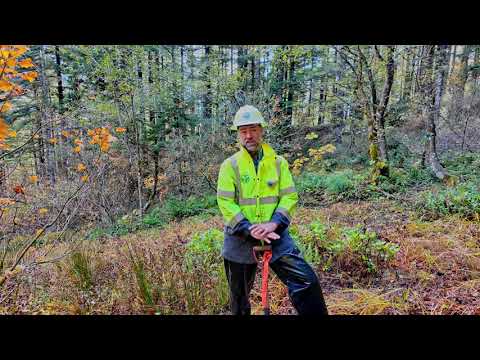
Photo: Kaibab National Forest (CC BY-SA 2.0)
Job description
The work involves inventorying or estimating wildlife populations, studying animals in their natural habitats to assess how environment and industry affect them, and developing management plans in consultation with stakeholders and the public. Zoologists also research broader questions like an animal's origin, classification, genetics, and life history, then share findings by writing scientific papers and giving talks at schools, park programs, or public meetings. Much of the work is desk-based and structured, with regular moderate deadline pressure and real independent judgment expected day to day.
Pros
- Only a bachelor's degree needed to enter a specialized scientific field
- Pay can reach over $126k, a strong ceiling for a bachelor's-level science career
- Work blends field research on live animals with report writing and public engagement
Cons
- Slower than average projected job growth
- A relatively small number of positions nationwide, so opportunities may be geographically limited
- Work is highly structured around set procedures, less room for open-ended research
A typical day
Field season means the day starts at 4:30am, checking live traps on a grid before the heat -- each capture weighed, tagged, and released with data recorded in minutes. The morning's telemetry work tracks collared animals through scrub, triangulating signals to map habitat use. Back at the station by afternoon, the data gets entered and checked while camera-trap images from last week are classified -- two hundred deer, one bobcat, one genuine surprise. Office season inverts the ratio: statistical models, permit reports, and a manuscript revision, because research that never gets published never protects anything.
Tasks at the job
- Develop, or make recommendations on, management systems and plans for wildlife populations and habitat, consulting with stakeholders and the public at large to explore options.
- Inventory or estimate plant and wildlife populations.
- Inform and respond to public regarding wildlife and conservation issues, such as plant identification, hunting ordinances, and nuisance wildlife.
- Study animals in their natural habitats, assessing effects of environment and industry on animals, interpreting findings and recommending alternative operating conditions for industry.
- Disseminate information by writing reports and scientific papers or journal articles, and by making presentations and giving talks for schools, clubs, interest groups and park interpretive programs.
- Study characteristics of animals, such as origin, interrelationships, classification, life histories, diseases, development, genetics, and distribution.
Workplace & working conditions
Work happens indoors in a climate-controlled setting.
There's a regular, moderate amount of time pressure, and you're expected to exercise significant independent judgment day to day. The work is highly structured, following set procedures.
Education necessary or common
Bachelor's degree
Common college majors
Licenses & certifications
- The Wildlife Society Certified Wildlife Biologist (later-career)
Career path
Related fields
Courses to take
- AP Biology -- ecology, evolution, and physiology are the discipline
- AP Statistics -- wildlife biology is data analysis in boots
- AP Environmental Science -- habitats and human impact
- AP Chemistry -- lab and field methods foundation
- Geography or GIS electives -- mapping is a daily tool
Clubs, activities & competitions
- Science Olympiad -- ecology and ornithology events
- Volunteer wildlife or stream surveys with local conservation groups
- Birding or naturalist hobby with a field notebook
- Envirothon competition
First steps you can take now
- Start a field notebook and use iNaturalist to document local species weekly
- Volunteer for a citizen-science count (Christmas Bird Count, frog surveys)
- Contact a state wildlife agency or university lab about volunteer field days
- Learn 30 local species -- birds, mammals, herps -- cold