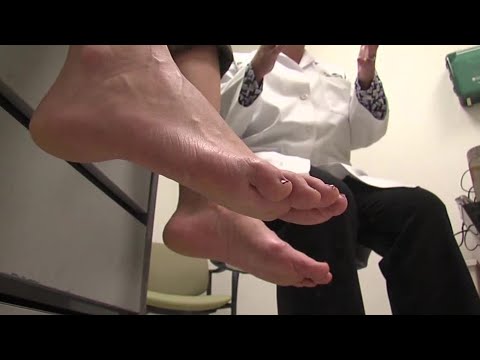
Photo: Ashashyou (CC BY-SA 4.0)
Job description
Diagnosis usually starts with a physical exam, x-rays, and lab work to pin down bone, muscle, and joint problems affecting the foot and ankle, then treatment moves to medication, corrective devices, physical therapy, or surgery, sometimes correcting deformities with casts or strapping. Beyond direct treatment, podiatrists spend real time counseling patients on preventive foot care to head off future problems. Many also take on a public education role, speaking or advertising about foot health, and some pursue surgical specialization within the field.
Pros
- High upside earning potential, with top pay reaching over $300k
- A more specialized and often shorter path to independent practice than many other medical tracks
- Direct, hands-on patient care with a mix of diagnosis, treatment, and minor surgery
Cons
- Above-average hours, often exceeding a standard 40-hour work week
- Slower than average projected job growth (1.8%) limits new openings
- A relatively small number of positions nationwide (300) means the field is narrow and specialized
A typical day
Clinic starts at 8am with a diabetic patient's routine foot check — a visit that can genuinely prevent an amputation — followed by a runner with heel pain who leaves with a taping demonstration and orthotic casting. Late morning brings minor procedures in the office: an ingrown toenail correction under local anesthetic, a wart treatment, a biopsy. After lunch the podiatrist reads x-rays for a suspected stress fracture and fits a surgical patient's follow-up into the schedule. Some afternoons shift to the hospital or surgery center for bunion corrections or ankle work; the day closes with charting and calls to patients about lab results.
Tasks at the job
- Treat bone, muscle, and joint disorders affecting the feet and ankles.
- Diagnose diseases and deformities of the foot using medical histories, physical examinations, x-rays, and laboratory test results.
- Advise patients about treatments and foot care techniques necessary for prevention of future problems.
- Prescribe medications, corrective devices, physical therapy, or surgery.
- Correct deformities by means of plaster casts and strapping.
- Educate the public about the benefits of foot care through techniques such as speaking engagements, advertising, and other forums.
Workplace & working conditions
Work happens indoors in a climate-controlled setting, and you work in close physical proximity to coworkers or the public for much of the shift.
The pace is often fast, with real time pressure to meet deadlines, and you're expected to exercise significant independent judgment day to day. Precision and accuracy are essential to the work, and the work is highly structured, following set procedures. You'll regularly deal with frustrated or upset people as part of the job, and almost all of the work is done as part of a team.
Education necessary or common
Doctor of Podiatric Medicine (DPM)
Common college majors
Licenses & certifications
- DPM license (state board)
- American Board of Podiatric Medicine or Board of Foot and Ankle Surgery certification
Career path
Related fields
Courses to take
- AP Biology — the entry point for any doctor-level path
- AP Chemistry — required for podiatric medical school prerequisites
- Anatomy & Physiology — feet and ankles pack 26 bones each; anatomy is the job
- AP Statistics — useful for the sciences and reading research
- Physical Education/Sports Medicine — many podiatrists work heavily with athletes
Clubs, activities & competitions
- HOSA (Future Health Professionals)
- Athletic training student aide for a school sports team
- Hospital or clinic volunteering
- Science Olympiad — anatomy events
First steps you can take now
- Shadow a podiatrist — private practices are often more accessible to students than hospitals
- Look up the DPM path (4-year podiatric medical school + 3-year residency) so you know the road
- Take a free online anatomy course focused on the lower limb
- Ask your school's athletic trainer to walk you through common foot injuries