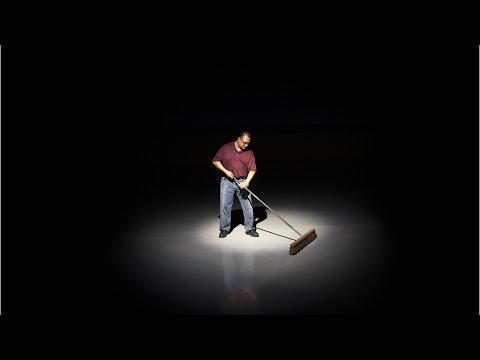
Photo: iMahesh (CC BY-SA 4.0)
Job description
Daily work includes sweeping, mopping, and vacuuming floors, cleaning windows and mirrors, dusting furniture, and servicing restrooms, all following set procedures for using chemical cleaners and equipment safely so floors and fixtures aren't damaged. Duties can extend beyond cleaning to tending a furnace or boiler, doing routine maintenance, and flagging needed repairs to management. It's an indoor, climate-controlled, on-your-feet role where gloves and safety glasses are standard, and workers are expected to use independent judgment about how best to tackle each space.
Pros
- A very large number of positions nationwide (351,300), so opportunities exist in nearly every location
- Steady, growing demand (2% projected growth) for an essential building service
- Significant independent judgment in how to organize and complete daily cleaning routines
Cons
- Entry-level pay can be quite low relative to the physical demands of the job
- Physically demanding, most of the day spent walking or moving while cleaning
- Involves handling chemical cleaners and following strict procedures to avoid damaging surfaces
A typical day
The building empties as the shift begins — an office tower at 6pm, and the janitor works a practiced route: trash and recycling floor by floor, restrooms restocked and disinfected to a checklist that health inspections take seriously, break rooms reset for tomorrow's first coffee. The work has craft inside it: the floor machine's pads and chemicals matched to each surface, a carpet stain treated correctly the first time, a burned-out light replaced and a leaking faucet reported before it becomes a flood. Around 10pm comes the deep work scheduled for empty buildings — stripping and waxing a lobby floor in sections, the finish laid down glassy and even. The overnight quiet suits some people perfectly. The building's morning shine is the shift's signature, unsigned.
Tasks at the job
- Service, clean, or supply restrooms.
- Clean building floors by sweeping, mopping, scrubbing, or vacuuming.
- Follow procedures for the use of chemical cleaners and power equipment to prevent damage to floors and fixtures.
- Clean windows, glass partitions, or mirrors, using soapy water or other cleaners, sponges, or squeegees.
- Dust furniture, walls, machines, or equipment.
- Clean and polish furniture and fixtures.
Workplace & working conditions
Work happens indoors in a climate-controlled setting, and most of the day is spent walking or moving around. Standard safety equipment like gloves or safety glasses is commonly worn.
You're expected to exercise significant independent judgment day to day. The work is highly structured, following set procedures.
Education necessary or common
Vocational training, apprenticeship, or associate's degree
Licenses & certifications
- OSHA 10-Hour General Industry
- ISSA CIMS/CMI cleaning industry certifications
- Boiler or facilities license (later, for building engineer paths — a real wage jump)
Career path
Related fields
Courses to take
- Shop or Building Trades — small repairs are part of the better-paying roles
- Chemistry — cleaning chemicals have real interactions and real hazards
- Business Math — supply budgets and, for many, eventual cleaning businesses of their own
- Health — sanitation science took on new weight in recent years
- Business or Entrepreneurship — janitorial services is a classic path to business ownership
Clubs, activities & competitions
- Part-time cleaning, dishwashing, or grounds work — direct experience
- SkillsUSA — facilities and maintenance exposure
- School event setup/teardown crews
- Volunteer maintenance days at church, camp, or community centers
First steps you can take now
- Get a part-time janitorial or porter job — schools, gyms, and offices hire at 16-18
- Learn to use a floor buffer and carpet extractor; certified equipment skills raise pay
- Take OSHA 10 online and learn chemical safety (SDS sheets)
- Talk to a janitorial business owner — many started with one building and a vacuum