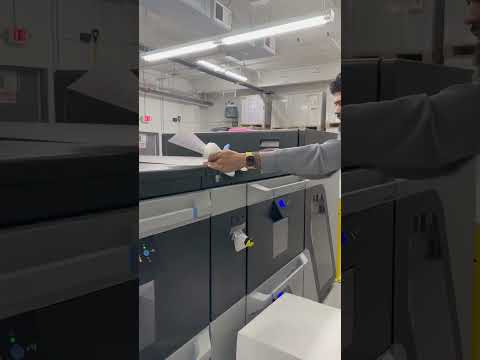
Photo: Solomon203 (CC BY-SA 4.0)
Job description
A shift centers on setting up equipment such as photocopiers, duplicators, or photo-processing machines, dialing in settings like speed and ink flow, and watching output closely for quality. Operators also run auxiliary machines like collators and paper cutters, handle simple billing for services provided, and keep supplies stocked and finished documents filed. Standalone office machines are steadily giving way to computer-based and digital printing systems, so this role has been shrinking and increasingly blends into broader office support or print-shop technician work.
Pros
- Low barrier to entry with just a high school diploma and on-the-job training
- Straightforward, procedure-based work in a predictable, climate-controlled setting
- Modest pay ceiling still clears $58k for those who take on more machine variety
Cons
- Job growth projected to shrink sharply (-15.2%), among the steepest declines in this batch
- Only about 2,800 jobs nationwide, so opportunities are geographically limited
- Role is shrinking as digital and computer-based systems replace dedicated office machines
A typical day
The print-center queue is already deep at 8am: a law firm needs 40 exhibit binders by 2pm, so the operator loads the high-speed copier, dials in the collating and tabbing settings, and runs a proof set before committing paper by the case. While that job runs, a wide-format plotter gets a set of construction drawings going and the folding machine eats a mail campaign. Mid-morning brings the trade's real skill — a paper jam deep in the finisher cleared without service downtime, toner swapped mid-run without a color shift. The binder deadline lands with 20 minutes to spare. The afternoon is a booklet job with a tricky imposition, machine maintenance logs, and stock inventory, because running out of 11x17 tomorrow is a preventable emergency.
Tasks at the job
- Compute prices for services and receive payment, or provide supervisors with billing information.
- Set up and adjust machines, regulating factors such as speed, ink flow, focus, and number of copies.
- Monitor machine operation, and make adjustments as necessary to ensure proper operation.
- File and store completed documents.
- Operate auxiliary machines such as collators, pad and tablet making machines, staplers, and paper punching, folding, cutting, and perforating machines.
- Maintain stock of supplies, and requisition any needed items.
Workplace & working conditions
Work happens indoors in a climate-controlled setting.
The pace is often fast, with real time pressure to meet deadlines.
Education necessary or common
High school diploma; some on-the-job training or apprenticeship
Career path
Related fields
Courses to take
- Computer Applications — modern print machines are driven from software front-ends
- Graphic Design or Printing CTE courses — layout, imposition, and print fundamentals
- Business Math — job quotes, paper counts, and waste percentages
- English — reading job tickets precisely prevents expensive reruns
Clubs, activities & competitions
- Yearbook or newspaper production — real print deadlines and specs
- SkillsUSA — graphic communications competitions
- School print-shop or teacher's aide duty running copies properly
- FBLA — office technology events
First steps you can take now
- Volunteer to run your school's copy room jobs and learn the machine's full menu, not just the green button
- Tour a local print shop or your district's print services center
- Learn basic print vocabulary — bleed, duplex, collate, GSM — from free print-industry guides
- Ask a copy-center manager (FedEx Office and the like) about entry roles and cross-training