Photo: Charlotte Kramer (CC BY 4.0)
Job description
Workers set up bindery machines, adjusting knives, guides, rollers, and clamps to match the size of the sheets or signatures being bound, then trim book edges to size and stitch or glue endpapers and bindings together. Finished samples get checked closely for defects like imperfect bindings, ink spots, or loose pages before anything ships. The work happens on a factory floor as part of a team, with steady time pressure and machines that need regular cleaning and minor repair to keep running.
Pros
- Hands-on machine and craft work (trimming, stitching, gluing) with visible, finished output each shift
- Team-based environment rather than solitary work
- Straightforward entry with just a HS diploma and on-the-job training
Cons
- Employment projected to shrink 16.1% over the next decade, one of the steeper declines in production
- Small, geographically limited pool of positions nationwide
- Pay ceiling under $60k limits long-term earning growth
A typical day
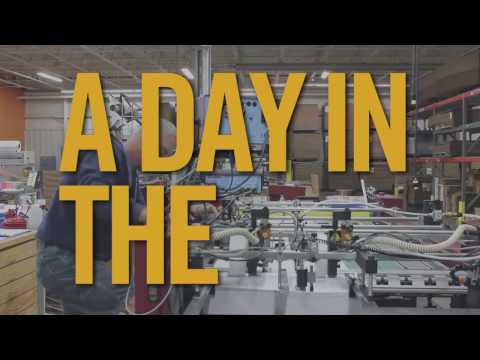
The bindery hums from the morning's first job: folded signatures from yesterday's press run get loaded into the saddle stitcher, and the operator checks the first dozen booklets for square staples and clean trims before letting the machine run at speed. Next comes a perfect-binding job — book blocks clamped, spines ground, hot glue applied, covers nipped on — with the operator adjusting glue temperature when a pull test shows weak adhesion. The afternoon might bring die-cutting, drilling, or hand-finishing a short-run job too small for machine setup: collating, gluing, and boxing by hand. Every job ends with counts, samples for the customer file, and cleanup before the next changeover.
Tasks at the job
- Install or adjust bindery machine devices, such as knives, guides, rollers, rounding forms, creasing rams, or clamps, to accommodate sheets, signatures, or books of specified sizes.
- Trim edges of books to size, using cutting machines, book trimming machines, or hand cutters.
- Lubricate, clean, or make minor repairs to machine parts to keep machines in working condition.
- Examine stitched, collated, bound, or unbound product samples for defects, such as imperfect bindings, ink spots, torn pages, loose pages, or loose or uncut threads.
- Read work orders to determine instructions and specifications for machine set-up.
- Stitch or glue endpapers, bindings, backings, or signatures, using sewing machines, glue machines, or glue and brushes.
Workplace & working conditions
Work happens indoors in a climate-controlled setting, and most of the day is spent on your feet. Noise levels can be distracting or uncomfortable. The role involves regular exposure to hazardous equipment or conditions and contaminants, and standard protective equipment (gloves, safety glasses, and similar) is expected.
There's a regular, moderate amount of time pressure. Precision and accuracy are essential to the work. Almost all of the work is done as part of a team.
Education necessary or common
High school diploma; some on-the-job training or apprenticeship
Career path
Related fields
Courses to take
- Shop/Industrial Technology — machine setup and adjustment skills
- Consumer Math — counts, spoilage allowances, and measurements
- Graphic Design — understanding how printed pieces are built helps in finishing them
- Computer Applications — modern bindery equipment is digitally controlled
Clubs, activities & competitions
- Yearbook or newspaper staff — see the products this trade finishes
- SkillsUSA — graphic communications events
- A hands-on hobby: bookbinding kits, model building, paper crafts
First steps you can take now
- Try hand bookbinding this month — a simple pamphlet stitch needs only paper, needle, and thread
- Tour a local commercial printer and ask to see the bindery
- Ask print shops about entry-level bindery helper openings — most train from zero
- Watch videos on saddle stitching and perfect binding to learn the equipment vocabulary