Photo: Steve Knight from Halstead, United Kingdom (CC BY 2.0)
Job description
Session musicians spend most of their time in recording studios, learning charts on short notice and adapting their playing to whatever genre or producer's vision a session calls for, sometimes recording several takes in a row until the feel is right. Live tour work adds stage performances to the mix, but either way, the job is built from many short-term gigs rather than one steady employer, so a reputation for reliability and versatility is what keeps the phone ringing. Musicians haul and maintain their own instruments and gear between sessions, and pay varies enormously depending on how in demand a player becomes.
Pros
- High upside earning potential, up to $150k for in-demand players
- No formal degree required; instrumental skill and studio professionalism are what matter
- Wide variety of work across genres, artists, and productions
Cons
- Entry-level pay can be quite low, with income pieced together across many short gigs
- Above-average hours, often exceeding a standard 40-hour work week, with irregular scheduling
- Little rehearsal time before parts must be nailed in just a few takes
A typical day
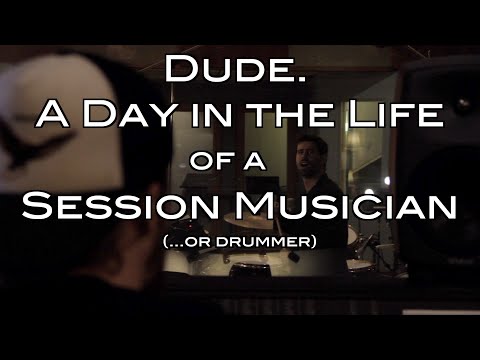
The 10am call is a country record: the session player arrives early, gear dialed, and reads the number chart cold — first take is a learning pass, second take might be the keeper, because studio time is money and the player's reputation is delivering fast. The producer asks for 'more space, less flash,' and translating vague direction into exact parts is the real skill beneath the chops. Lunch bridges to an afternoon jingle date in a different style entirely — versatility is employability — then an evening session tracking remotely from the home studio for a client two time zones away, comped and delivered by midnight. Between sessions: practice, gear maintenance, and the relationship tending that generates the next call. The phone rings for players who are excellent, easy, and on time.
Tasks at the job
- Learn and perform written parts or charts quickly during recording sessions.
- Adapt playing style to fit different genres, artists, and producers.
- Record multiple takes based on direction from the producer or artist.
- Sight-read unfamiliar music on short notice.
- Maintain and transport personal instruments and gear between sessions.
- Take direction on tone, phrasing, and feel to match a song's vision.
Workplace & working conditions
Work happens mostly in recording studios, occasionally shifting to a live stage for touring or one-off performances.
The pace is fast and technically demanding, since parts often have to be nailed within a few takes. Work is gig-based and irregular, requiring quick adaptation to whatever artist or genre a given session calls for.
Education necessary or common
No formal degree required, though many study music formally; high-level instrumental skill and studio professionalism are the real requirements
Career path
Related fields
Courses to take
- Band/Orchestra/Choir — daily ensemble reps are the foundation
- Music Theory/AP Music Theory — charts and communication demand it
- Digital Media/Audio Production — home-studio delivery is now half the trade
- Piano — the universal second instrument for any session player
- English — freelance business communication
Clubs, activities & competitions
- Every ensemble your school offers — jazz band especially for reading
- All-state and honor bands — the network starts there
- Pit orchestra for school musicals — the closest thing to session work in high school
- Play in bands outside school, any genre you're not native to
First steps you can take now
- Learn to sight-read seriously — fifteen minutes daily, new material every time
- Record yourself playing along to songs and critique timing against the grid
- Play in a genre outside your comfort zone this month
- Set up a basic recording chain (interface, DAW) and deliver one remote track to a friend's project