Photo: Sok CHHAN (CC BY-SA 4.0)
Job description
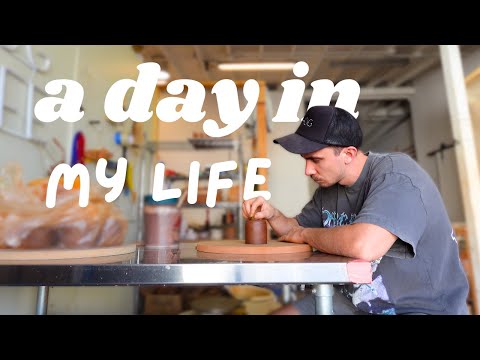
Most craft artists work independently from start to finish: choosing materials, then cutting, shaping, joining, and finishing a piece entirely by hand before handling their own marketing, whether that's a booth at a fair or an online shop. Physical conditions vary a lot depending on medium, since welding and pottery come with different tools, materials, and protective gear than weaving or needlecraft. Many build toward a signature style or niche technique over time, which is often what helps their work stand out in a crowded, competitive market.
Pros
- Low barrier to entry, vocational training or apprenticeship rather than a four-year degree
- Hands-on, independent craft work with direct creative control from concept to finished piece
- Flexibility to build a business around a personal artistic style and chosen techniques
Cons
- Entry-level pay can be quite low, with the bottom of the range under $26k
- Above-average hours, since running a craft business often means more than a 40-hour week
- Regular exposure to hazardous equipment and materials without always a climate-controlled workspace
A typical day
Studio hours start when the kiln finishes: unloading yesterday's glaze firing, culling the two pieces that crawled, photographing the twelve that sang. The morning's making block is sacred — throwing a run of mugs, or weaving, or raising a copper bowl, hands doing what they've done ten thousand times while the mind solves the next design. Afternoons belong to the business half nobody romanticizes: editing product photos, packing orders in bubble wrap, updating the online shop, applying to a juried spring fair whose booth fee is a real bet. A wholesale inquiry from a boutique needs pricing math — materials, hours, and the discipline not to undercharge. Craft artists live on the rhythm between making and selling; both are the job.
Tasks at the job
- Create functional or decorative objects by hand, using a variety of methods and materials.
- Cut, shape, fit, join, mold, or otherwise process materials, using hand tools, power tools, or machinery.
- Apply finishes to objects being crafted.
- Develop concepts or creative ideas for craft objects.
- Select materials for use based on strength, color, texture, balance, weight, size, malleability and other characteristics.
- Advertise products and work, using media such as internet advertising and brochures.
Workplace & working conditions
Work happens indoors, though not always in a climate-controlled space. The role involves regular exposure to hazardous equipment or conditions and contaminants, and standard protective equipment (gloves, safety glasses, and similar) is expected.
There's a regular, moderate amount of time pressure. Much of the work is done independently.
Education necessary or common
Vocational training, apprenticeship, or associate's degree
Related fields
Courses to take
- Art (ceramics, fiber, jewelry — whatever your school offers) — studio hours are everything
- Business/Entrepreneurship — you will be a one-person company
- Chemistry — glazes, dyes, and metals all obey it
- Photography — your work sells through pictures of it
- Math — pricing, materials, and margins
Clubs, activities & competitions
- Art club and every studio elective available
- Scholastic Art & Writing Awards — real juried recognition
- Sell at a school craft fair or local market — learn the full loop now
- 4-H arts projects
- Build an art portfolio account and post consistently
First steps you can take now
- Make ten of the same object and watch your craft improve piece over piece
- Sell three things this month — market, online, or to neighbors — and price them honestly
- Visit a working craft artist's studio or booth and ask about their business reality
- Photograph your best work properly: natural light, clean background