Photo: Irfantraveller (CC BY-SA 4.0)
Job description
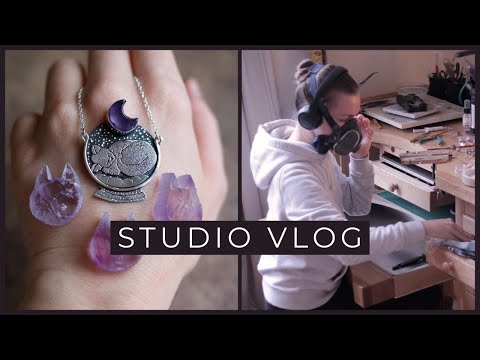
Day to day work ranges from building new pieces (cutting, filing, and soldering metal, then setting stones) to repair jobs like resizing rings, replacing broken clasps, or re-soldering damaged pieces for retail customers. After construction, jewelers polish and clean finished work on buffing wheels and in chemical baths to bring out the final shine. Many jewelers work in independent retail shops or for manufacturers, and with experience can specialize further into stone-setting, custom design, or appraisal, all while working carefully around hazardous equipment and materials in a fast-paced, deadline-driven shop.
Pros
- Strong pay ceiling near $88k for a skilled craft with vocational training
- Detailed, creative handwork designing, repairing, and setting fine jewelry
- Climate-controlled, seated work environment compared to many production trades
Cons
- Employment projected to shrink by 5.5% over the next decade
- Above-average hours, often exceeding a standard 40-hour work week
- Fine, repetitive precision work under deadline pressure that can strain hands and eyes
A typical day
The bench light comes on at 9, and the first job is a repair with history in it: a great-grandmother's engagement ring with a worn prong, retipped under the microscope with a laser welder — the stone never leaving the shop, per the promise that keeps customers loyal. Mid-morning is fabrication: a custom pendant taking shape from a wax carving, sprued and readied for casting. A walk-in brings an appraisal request; the jeweler tests, weighs, examines the stone under magnification, and documents honestly. The afternoon belongs to the custom commission — hand-fabricating a setting in 18k gold, filing and sanding to invisible seams, then setting the center stone with tools and nerve, because one slip chips a diamond. Polishing is the finale: the piece goes from dull to liquid light in minutes. The bench jeweler's satisfaction is ancient and specific — a thing made well, by hand, that outlives its maker.
Tasks at the job
- Position stones and metal pieces, and set, mount, and secure items in place, using setting and hand tools.
- Smooth soldered joints and rough spots, using hand files and emery paper, and polish smoothed areas with polishing wheels or buffing wire.
- Create jewelry from materials such as gold, silver, platinum, and precious or semiprecious stones.
- Make repairs, such as enlarging or reducing ring sizes, soldering pieces of jewelry together, and replacing broken clasps and mountings.
- Clean and polish metal items and jewelry pieces, using jewelers' tools, polishing wheels, and chemical baths.
- Cut and file pieces of jewelry such as rings, brooches, bracelets, and lockets.
Workplace & working conditions
Work happens indoors in a climate-controlled setting, and most of the day is spent sitting at a desk. The role involves regular exposure to hazardous equipment or conditions and contaminants, and standard protective equipment (gloves, safety glasses, and similar) is expected.
The pace is often fast, with real time pressure to meet deadlines, and you're expected to exercise significant independent judgment day to day. Precision and accuracy are essential to the work.
Education necessary or common
Vocational training, apprenticeship, or associate's degree
Licenses & certifications
- GIA Graduate Gemologist (GG) — the industry's most respected credential
- GIA Applied Jewelry Professional
- JA (Jewelers of America) bench certification levels
- Appraisal credentials (ASA/NAJA) for the valuation path
Career path
Related fields
Courses to take
- Art and Jewelry/Metals classes if offered — direct craft practice
- Chemistry — alloys, solders, and pickling acids
- Geometry — symmetry, proportion, and stone-setting angles
- Business Math — pricing, gold weights, and shop economics
- Ceramics or Sculpture — three-dimensional craft sensibility
Clubs, activities & competitions
- Art club and portfolio building
- SkillsUSA — jewelry making appears in some state competitions
- Craft fairs — make and sell simple pieces
- Detailed hobby work: model building, soldering electronics, wire wrapping
First steps you can take now
- Start with wire and basic tools: make three simple pieces this month (tutorials abound)
- Visit a local jeweler and ask to watch bench work — many love showing the craft
- Look into jewelry programs (community colleges, GIA, or the Revere Academy tradition)
- Learn to solder — an inexpensive kit and practice on copper teaches the core skill