Photo: Sabina Bajracharya (CC BY-SA 4.0)
Job description
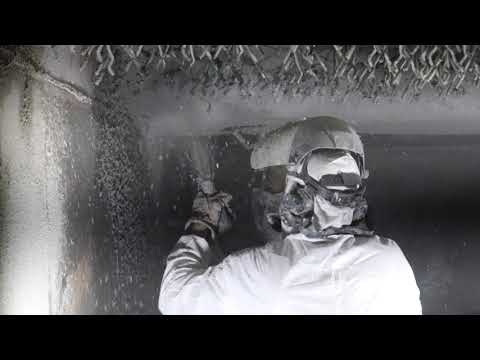
The work starts with chipping away spent slag and worn lining from a heat vessel using hammers and chisels, then mixing sand, clay, mortar powder, and water into a refractory compound to reline it with a trowel. Because these repairs happen in and around active industrial equipment like foundries and steel mills, the job demands specialized protective gear and careful attention near extreme heat and heights. It's a narrow, highly specialized trade tied closely to heavy manufacturing, so job openings track the health of that industry closely (which is part of why demand has actually been shrinking recently).
Pros
- Low barrier to entry with just a high school diploma and on-the-job training
- Specialized, hands-on trade skill with limited competition for the few available roles
- Top of pay range reaches $86.5k despite the modest entry credential
Cons
- Employment projected to shrink sharply (-16.9%), among the steepest declines in this batch
- Only about 100 jobs nationwide, one of the most geographically limited careers in this batch
- Regular exposure to extreme heat sources, hazardous equipment, and heights
A typical day
The furnace came offline last night, but at 6am it's still radiating heat as the repair crew stages materials for the reline: castable refractory, anchors, and the gunite rig. The morning is demolition — jackhammering out the failed lining in heat-stressed sections, dust suits and respirators on, working fast because every idle furnace hour costs the plant money. After lunch the rebuild begins: mixing castable to exact water specs and gunning it against the shell in even layers, screeding surfaces where molten metal will flow. Thermocouples and anchor patterns get checked against the drawing. The job ends with curing instructions handed to operations, because a rushed dry-out cracks everything the crew just built.
Tasks at the job
- Chip slag from linings of ladles or remove linings when beyond repair, using hammers and chisels.
- Mix specified amounts of sand, clay, mortar powder, and water to form refractory clay or mortar, using shovels or mixing machines.
- Reline or repair ladles and pouring spouts with refractory clay, using trowels.
Workplace & working conditions
Work happens indoors, though not always in a climate-controlled space, and most of the day is spent on your feet, and you work in close physical proximity to coworkers or the public for much of the shift. Noise levels can be distracting or uncomfortable. The role involves regular exposure to hazardous equipment or conditions and contaminants and working at heights, and specialized protective equipment is standard.
The pace is often fast, with real time pressure to meet deadlines. You'll regularly deal with frustrated or upset people as part of the job.
Education necessary or common
High school diploma; some on-the-job training or apprenticeship
Licenses & certifications
- OSHA 10 General Industry
- Respirator fit certification (employer-provided)
Career path
Related fields
Courses to take
- Chemistry — refractories are materials science in service of extreme heat
- Physics — thermal expansion and heat transfer decide what fails
- Shop/Masonry — the hands-on foundation
- Algebra — mix ratios and material estimates
Clubs, activities & competitions
- SkillsUSA — masonry pathways
- A construction or labor summer job
- Robotics or shop club — tool and build comfort
First steps you can take now
- Take masonry or shop classes now — the trade builds directly on them
- Get OSHA 10 online and read about respiratory protection
- Ask at steel mills, foundries, or refractory contractors about laborer openings — the trade trains on the job
- Watch furnace-reline videos to see the environment honestly before committing