Photo: Graham Robson (CC BY-SA 2.0)
Job description
The job means coordinating engineering, site assessment, and environmental studies to get a wind project off the ground, then managing costs and schedules to keep it within budget once it's underway. Managers build out full project plans (scope, resources, timelines, contingencies) and supervise subcontractors and consultants to make sure their work meets spec. Reporting status to teams, customers, and project owners is a constant part of the role, and dealing with frustrated stakeholders comes with the territory.
Pros
- High upside pay, topping out near $238k, in a fast-growing clean energy field
- Large national demand pool (106,700 jobs), unusually deep for a management title
- Faster than average projected growth (4.5%) as wind capacity keeps expanding
Cons
- Above-average hours, often 40-50 a week, especially during active construction phases
- Regularly deals with frustrated subcontractors, regulators, or other stakeholders
- Juggles budget, permitting, engineering, and construction schedules all at once
A typical day
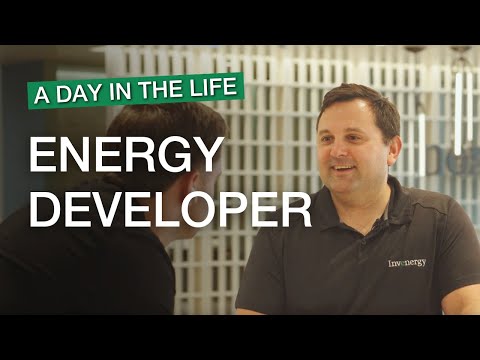
The morning call is with a county commission skeptical about the project, and the manager's job is answering setback, noise, and tax-revenue questions with data instead of spin. Midday goes to the development checklist that runs years long: wind-resource data from the met towers reviewed, an eagle survey scheduled with the wildlife consultants, and a transmission-interconnection study milestone chased with the utility. The afternoon is landowner work -- coffee-table conversations renewing lease options with the farmers whose fields the turbines would share. The day ends updating the financial model, because one permit delay ripples through construction seasons and financing terms alike.
Tasks at the job
- Coordinate or direct development, energy assessment, engineering, or construction activities to ensure that wind project needs and objectives are met.
- Manage wind project costs to stay within budget limits.
- Create wind energy project plans, including project scope, goals, tasks, resources, schedules, costs, contingencies, or other project information.
- Supervise the work of subcontractors or consultants to ensure quality and conformance to specifications or budgets.
- Develop scope of work for wind project functions, such as design, site assessment, environmental studies, surveying, or field support services.
- Provide verbal or written project status reports to project teams, management, subcontractors, customers, or owners.
Workplace & working conditions
Work happens indoors in a climate-controlled setting, and most of the day is spent sitting at a desk.
There's a regular, moderate amount of time pressure, and you're expected to exercise significant independent judgment day to day. The work is highly structured, following set procedures. You'll regularly deal with frustrated or upset people as part of the job.
Education necessary or common
Bachelor's degree
Common college majors
Career path
Related fields
Courses to take
- AP Environmental Science -- siting lives at the energy-environment interface
- AP Economics -- projects live or die on financial modeling
- AP US Government -- permitting is local and state politics
- Physics -- enough turbine literacy to be credible
- Public speaking -- community meetings decide projects
Clubs, activities & competitions
- Environmental club -- lead a renewable-energy proposal for your school
- Debate or Model UN -- multi-stakeholder negotiation
- DECA or FBLA -- project and finance events
- Attend a public hearing on any local development project
First steps you can take now
- Map where wind projects are being built in your state and read one project's permit filing
- Learn how a wind lease works from farmer-oriented extension guides
- Interview someone in renewable energy development -- LinkedIn outreach works
- Follow one contested project in the news and track both sides' arguments