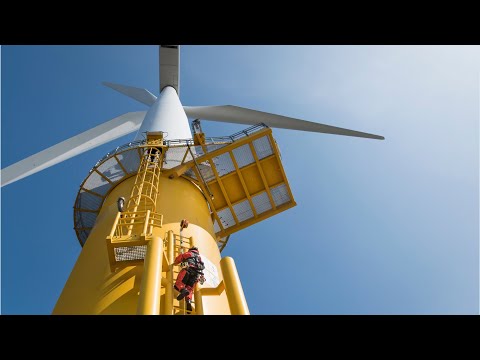
Photo: Nuclear Regulatory Commission from US (CC BY 2.0)
Job description
Engineers run energy audits and monitor consumption data to spot conservation and cost-reduction opportunities, then advise clients or colleagues on strategies like climate control systems, sustainable design, or energy modeling. Much of the work involves inspecting or monitoring systems such as HVAC or daylighting setups to figure out how much energy they're actually using versus how much they could save. Specializations range widely, from electrical systems and green building design to air quality and energy procurement, and the job is desk- and site-based work with a bachelor's degree as the typical entry point.
Pros
- Pay reaches up to $190k working on energy efficiency across construction projects
- A sizable number of positions nationwide (9,300), with room to specialize in HVAC or lighting
- Exercise significant independent judgment advising clients on sustainable design and climate systems
Cons
- Above-average hours are common, often exceeding a standard 40-hour work week
- Modest projected job growth at 2.1% over the next decade
- Audit-heavy work evaluating existing systems rather than hands-on building
A typical day
Morning starts in spreadsheets and simulation software, modeling how a proposed HVAC redesign would cut a hospital campus's gas use. Before lunch there is a call with the utility about rebate programs that could fund the project, and a review of sub-meter data that shows one building using twice the energy its size predicts. The afternoon is on site, verifying that the lighting controls installed last month actually behave as designed — they don't, and diagnosing why is the fun part. The day closes writing up findings and revising the savings forecast the client's CFO will hold the team to.
Tasks at the job
- Identify and recommend energy savings strategies to achieve more energy-efficient operation.
- Conduct energy audits to evaluate energy use and to identify conservation and cost reduction measures.
- Monitor and analyze energy consumption.
- Monitor energy related design or construction issues, such as energy engineering, energy management, or sustainable design.
- Inspect or monitor energy systems, including heating, ventilating, and air conditioning (HVAC) or daylighting systems to determine energy use or potential energy savings.
- Advise clients or colleagues on topics such as climate control systems, energy modeling, data logging, sustainable design, or energy auditing.
Workplace & working conditions
Work happens indoors in a climate-controlled setting.
There's a regular, moderate amount of time pressure, and you're expected to exercise significant independent judgment day to day.
Education necessary or common
Bachelor's degree
Common college majors
Licenses & certifications
- FE exam, then PE license
- Certified Energy Manager (CEM)
- LEED Green Associate/AP
Career path
Related fields
Courses to take
- AP Physics — thermodynamics and energy transfer are the core of the discipline
- AP Calculus BC — engineering-track math, no way around it
- AP Environmental Science — context for why efficiency matters
- AP Chemistry — combustion and refrigerants come up constantly
- AP Computer Science Principles — energy modeling is software work
Clubs, activities & competitions
- Science Olympiad — several events touch energy and thermodynamics
- Green/environmental club — propose a real efficiency project to your school district
- FIRST Robotics — engineering process under deadline
- TSA engineering competitions
First steps you can take now
- Read your school's utility bill (ask the facilities office) and estimate one saving opportunity
- Take a free online intro to energy engineering or building science course
- Interview an energy engineer or building commissioning agent — LinkedIn outreach works
- Enter a science fair with a measured (not simulated) energy-efficiency experiment