Photo: Official U.S. Navy Page from United States of America (CC BY 2.0)
Job description
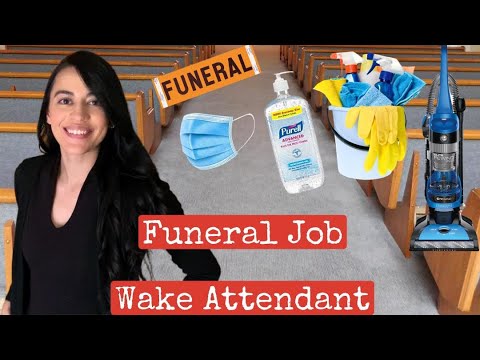
Before a service, attendants set up the parlor, arranging flowers and lighting around the casket and closing it at the appropriate moment, then help direct grieving families and guests to where they need to be. Much of the job is quiet logistical work between services: cleaning and resetting spaces and keeping funeral equipment organized. It's often an entry point into the funeral industry, and some attendants go on to train as embalmers or funeral directors.
Pros
- Standard, predictable hours (30-40 per week) without the swing shifts common in other service roles
- Low barrier to entry: just a high school diploma and on-the-job training
- Faster than average projected job growth (3.1%) with over 5,700 positions nationwide
Cons
- Entry-level pay can be quite low, and the pay ceiling stays modest near $48k
- Emotionally demanding work spent almost entirely around grieving families
- Limited upside on pay with little room to grow earnings within the role itself
A typical day
The attendant arrives two hours before the 10 a.m. service: chairs aligned to the inch, flowers arranged per the family's order, the register book and memorial cards placed, sound system tested twice. As mourners arrive the work turns human — a steady presence at the door, directing guests to the right chapel, offering an arm to an elderly widow, holding an umbrella between car and door. During the service the attendant stands quietly at the back, anticipating: a tissue box moved closer, a crying child walked gently to the lobby. Afterward comes the procession line-up — flags placed, cars ordered — and the reset for the afternoon visitation; the job is dignity, logistics, and calm in equal parts.
Tasks at the job
- Greet people at the funeral home.
- Carry flowers to hearses or limousines for transportation to places of interment.
- Close caskets at appropriate point in services.
- Direct or escort mourners to parlors or chapels in which wakes or funerals are being held.
- Clean funeral parlors or chapels.
- Deliver floral arrangements or other items to family members of the deceased.
Workplace & working conditions
Work happens indoors in a climate-controlled setting.
There's a regular, moderate amount of time pressure.
Education necessary or common
High school diploma; some on-the-job training or apprenticeship
Licenses & certifications
- Valid driver's license (processions and transfers)
- CPR/First Aid helpful
Career path
Related fields
Courses to take
- Psychology — grief has patterns; compassion has skills
- Public Speaking — clear, gentle communication
- Health — understanding the profession's standards
- Business — funeral homes are service businesses
- A world language — families are diverse; comfort in their language matters
Clubs, activities & competitions
- Volunteer at a hospice, nursing home, or hospital
- Usher for school events — the mechanics of guest care
- Faith community volunteer roles at services
- NHS or service clubs
First steps you can take now
- Ask a local funeral home about part-time attendant work — many hire students for services and visitations
- Volunteer where you will be around grief and learn your own steadiness
- Practice calm, formal hospitality at any event you can
- Read about what funeral directors do — attending is the first rung of that ladder