Photo: w_lemay (CC BY-SA 2.0)
Job description
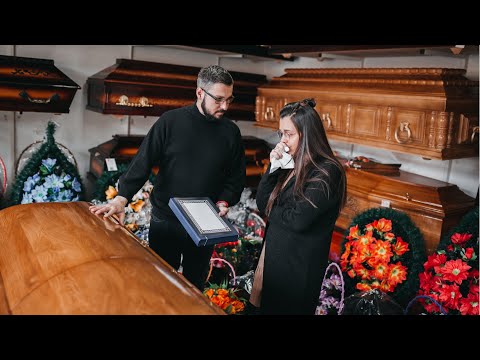
Managers meet with families to work out the details of a service, from obituary wording to casket selection, while also offering comfort during an understandably difficult time. Behind the scenes, that means delivering death certificates for signatures, supervising embalmers and funeral attendants, and keeping the required state records and inventories in order. The job calls for precision and steady composure under real time pressure, since mistakes or delays land directly on grieving families, and it typically requires vocational training or an associate's degree.
Pros
- High upside earning potential, up to $156k
- Faster than average projected job growth (4.1% over the next decade)
- Entry via vocational training or an associate's degree rather than a four-year degree
Cons
- Above-average hours, expect more than a standard 40-hour work week
- Only about 2,600 positions nationwide, so openings are geographically limited
- Constant emotional weight of consoling grieving families while managing sensitive logistics
A typical day
The manager's 9 a.m. arrangement conference is with a family who lost their mother overnight: an hour of listening first, then the careful walk through service options, caskets, and costs — compassion and transparency in the same conversation, as the law and basic decency both require. Late morning is operations: today's two services staffed, the prep room's work reviewed with the embalmer, death certificates filed with the county before the deadline. The afternoon brings the business layer — preneed contract paperwork, an obituary proofed for the newspaper, a vendor negotiation on casket pricing. An evening visitation ends the fourteen-hour day; the manager greets the family by every member's name, because in this profession the details are the compassion.
Tasks at the job
- Consult with families or friends of the deceased to arrange funeral details, such as obituary notice wording, casket selection, or plans for services.
- Deliver death certificates to medical facilities or offices to obtain signatures from legally authorized persons.
- Offer counsel and comfort to families and friends of the deceased.
- Monitor funeral service operations to ensure that they comply with applicable policies, regulations, and laws.
- Direct and supervise work of embalmers, funeral attendants, death certificate clerks, cosmetologists, or other staff.
- Complete and maintain records, such as state-required documents, tracking documents, or product inventories.
Workplace & working conditions
Work happens mostly inside a vehicle or piece of equipment, and you work in close physical proximity to coworkers or the public for much of the shift. The role involves regular exposure to hazardous equipment or conditions and contaminants.
The pace is often fast, with real time pressure to meet deadlines, and you're expected to exercise significant independent judgment day to day. Precision and accuracy are essential to the work. You'll regularly deal with frustrated or upset people as part of the job, and almost all of the work is done as part of a team.
Education necessary or common
Vocational training, apprenticeship, or associate's degree
Common college majors
Licenses & certifications
- State funeral director license (required to manage in most states)
- Embalmer license commonly held alongside
- National Board Examination (NBE)
Career path
Related fields
Courses to take
- Psychology — grief, families, and difficult conversations
- Business/Accounting — a funeral home is a heavily regulated small business
- Anatomy & Physiology — the preparation side of the profession
- Public Speaking — services, families, and community presence
- Chemistry — supporting the embalming operation knowledgeably
Clubs, activities & competitions
- Part-time work at a funeral home (attendant roles hire students)
- Hospice or nursing home volunteering
- HOSA
- Business or leadership club roles
First steps you can take now
- Ask a funeral director for a candid conversation about the lifestyle — nights, weekends, and being needed at the worst moments
- Work services part-time at a local funeral home
- Look up your state's funeral director licensing (most require mortuary science plus apprenticeship)
- Volunteer around grief and confirm you can carry it