Photo: State Farm (CC BY 2.0)
Job description
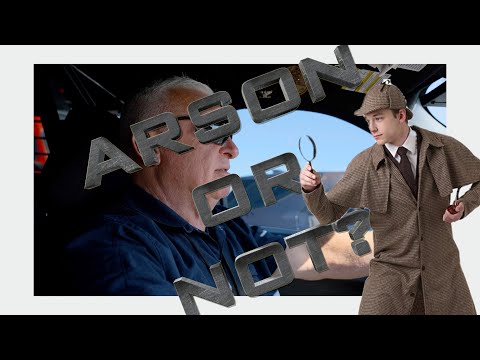
Investigators comb fire scenes for clues like burn patterns, accelerant residue, and damaged wiring, then interview witnesses and property owners to piece together what happened before the fire started. Findings determine whether a fire gets classified as accidental, negligent, or intentional, and that determination often carries real weight in insurance claims and, in suspected arson cases, criminal prosecution. Investigators photograph and document everything in detail and may later testify as an expert witness in court.
Pros
- Pay reaches $95k, solid for a role built on firefighting or law enforcement experience
- Varied work mixing hands-on scene examination with lab analysis and report writing
- High-impact findings that directly affect criminal prosecutions and insurance claims
Cons
- Requires specialized certification typically built on prior firefighting or law enforcement experience
- Called out on short notice, sometimes to scenes involving fatalities
- Testimony and conclusions can be aggressively challenged in court
A typical day
The scene is a burned-out duplex, cold since 3 a.m., and the investigator starts outside — photographing all four elevations before stepping through the door. The next hours are archaeology in char: reading V-patterns up the walls, tracing fire travel backward to a bedroom outlet, sifting debris layer by layer with gloved hands. A canine unit sweeps for accelerants and sits down hard near the sofa, changing everything about the case. The afternoon shifts to interviews — the tenant, the neighbor who called it in, the insurance carrier — and the evening to evidence submission and a report that must nail origin and cause without a millimeter of speculation.
Tasks at the job
- Examine fire scenes to determine the point of origin and the cause of ignition.
- Collect physical evidence such as burn patterns, accelerant residue, and damaged wiring for laboratory analysis.
- Interview witnesses, property owners, and firefighters who responded to the scene.
- Photograph and document scenes in detail to support insurance, criminal, or civil proceedings.
- Determine whether a fire was accidental, natural, or the result of arson.
- Prepare detailed reports and testify as an expert witness in court.
Workplace & working conditions
Work happens at fire scenes that are often still hot, unstable, or hazardous, as well as in a lab or office for evidence analysis and report writing.
The work requires exacting attention to physical evidence, since conclusions can determine criminal charges or large insurance payouts, and testimony may be challenged aggressively in court. Investigators are called out on short notice, sometimes to scenes involving fatalities.
Education necessary or common
Fire science background plus specialized fire investigation training and certification, typically built on firefighting or law enforcement experience
Common college majors
Licenses & certifications
- IAAI-CFI (Certified Fire Investigator) — the field standard
- NAFI CFEI certification
- Firefighter or law enforcement certification as the typical foundation
Career path
Related fields
Courses to take
- Chemistry — fire chemistry and accelerant behavior are the technical core
- Physics — fire dynamics and heat transfer explain every burn pattern
- AP Psychology — interviews and deception detection
- Forensic Science if your school offers it — directly relevant
- English/Composition — expert reports and courtroom testimony
Clubs, activities & competitions
- Fire Explorer or police Explorer post
- Science Olympiad Forensics event
- Mock Trial — investigators testify as expert witnesses
- Chemistry club or science fair with a combustion-related (safe) project
First steps you can take now
- Read NFPA 921's public summaries — the bible of fire investigation methodology
- Join a fire or police Explorer program
- Watch real origin-and-cause case walkthroughs from IAAI training previews
- Understand the path: most investigators come up through firefighting or law enforcement first