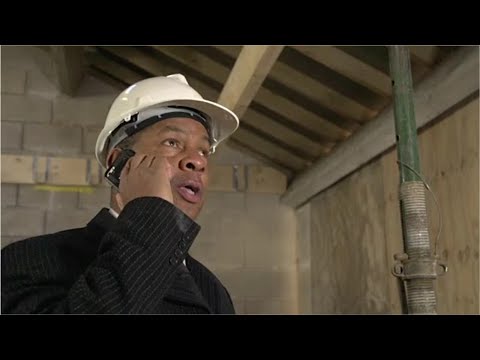
Photo: U.S. Army USACOE-ED by Christopher Gardner (Public domain)
Job description
The role sits above the day-to-day design or engineering work: managers review and approve design changes, set technical goals within the company's broader strategy, and present proposals and findings directly to clients. There's real administrative weight too, approving expenditures, recruiting and evaluating architecture or engineering staff, and enforcing internal rules and procedures. Getting to this level typically requires both a professional credential, a PE license or architectural licensure, and substantial field experience actually doing the design or engineering work first. Many who advance into senior management pick up an MBA or a technical master's degree along the way.
Pros
- Very high pay ceiling (up to $263k) plus strong pay even at entry level
- Faster than average projected job growth (3.8% over the next decade)
- Leadership authority over both technical direction and client-facing strategy
Cons
- Above-average hours, expect more than a standard 40-hour work week
- Requires a professional license (PE or architecture) plus significant prior field experience
- Highly structured work with accountability for both project outcomes and staff performance
A typical day
Three projects, three temperatures. The 8:30 status meeting reveals the bridge design is ahead but the wastewater plant is bleeding hours; by 10 the manager is reallocating two engineers and renegotiating a deliverable date with a client who takes it better than feared. Midday holds technical review — this role never fully leaves the engineering, and today's stamp-ready drawings need a senior set of eyes on the load calculations. The afternoon splits between an interview for an open structural position, a proposal budget for next year's pursuit, and a mentoring conversation with a talented engineer who's bored. The job is engineering judgment applied to people, money, and schedule at once.
Tasks at the job
- Direct, review, or approve project design changes.
- Present and explain proposals, reports, or findings to clients.
- Confer with management, production, or marketing staff to discuss project specifications or procedures.
- Establish scientific or technical goals within broad outlines provided by top management.
- Direct recruitment, placement, and evaluation of architecture or engineering project staff.
- Perform administrative functions, such as reviewing or writing reports, approving expenditures, enforcing rules, or purchasing of materials or services.
Workplace & working conditions
Work happens indoors in a climate-controlled setting, and most of the day is spent sitting at a desk.
There's a regular, moderate amount of time pressure, and you're expected to exercise significant independent judgment day to day. The work is highly structured, following set procedures. You'll regularly deal with frustrated or upset people as part of the job, and almost all of the work is done as part of a team.
Education necessary or common
Bachelor's degree in architecture or engineering plus a Professional Engineer (PE) or licensed architect credential; an MBA or technical master's is common for advancement into management
Common college majors
Licenses & certifications
- PE (Professional Engineer) license or architect license
- PMP (Project Management Professional)
Career path
Related fields
Courses to take
- AP Calculus BC — the engineering foundation comes first
- AP Physics C
- AP English Language — managers live in writing and persuasion
- AP Computer Science A
- Economics — budgets and business context
Clubs, activities & competitions
- FIRST Robotics — especially team captain or subteam lead roles
- Science Olympiad build events with a leadership role
- Student government
- ACE Mentor Program
First steps you can take now
- Lead a technical team project end to end this year — robotics, a build, anything with a deadline and division of labor
- Interview an engineering manager about what changed when they stopped doing pure engineering
- Learn a project-management basic: build a Gantt chart for a real school project
- Map the path: engineering degree, PE license, then 10+ years of practice — this is a destination role, not an entry one