Photo: Unknown authorUnknown author (Public domain)
Job description
Operators watch how paving material spreads out behind the machine, adjusting settings or flagging low spots for the crew to fill in, then guide the equipment along guidelines with a set of levers and controls. The job covers a range of machines, from concrete and asphalt pavers to tamping machines, stone spreaders, oil distributors, and even snow plows, and operators also drive trucks to move equipment between job sites and handle basic inspection and repair. Nearly all of the work happens outdoors, in whatever weather shows up, working closely with a paving crew under steady, moderate deadline pressure.
Pros
- Pay can reach $92k+ for experienced operators, well above entry-level construction wages
- Low barrier to entry: high school diploma plus on-the-job training is enough to start
- Faster than average projected job growth (3.2% over the next decade)
Cons
- Constant outdoor exposure to weather while operating paving and tamping equipment
- Regular exposure to noise and hazardous equipment on active road or runway job sites
- Seasonal nature of paving work can mean less steady demand in colder months
A typical day
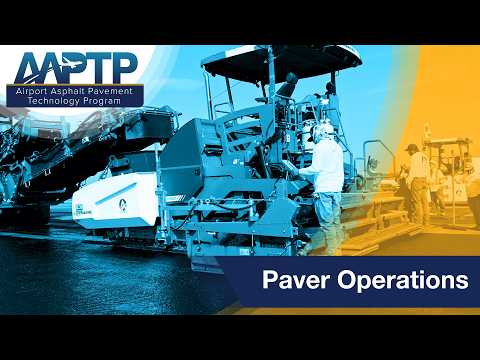
The paving train assembles at 6am ahead of the heat: today is a county road overlay, and the operator's machine is the paver itself — screed heated, augers checked, and the first truck of 300-degree asphalt backed in and rumbling into the hopper by 7. The morning is a slow-motion ballet measured in feet per minute: mat thickness and width held to spec, the screed adjusted by feel and readout, trucks cycling in without ever bumping the paver, because a bump prints a scar in the mat that lasts twenty years. The roller operators work behind in choreographed passes, compacting while the temperature window is open — asphalt forgives nothing cold. Lunch happens when the plant's truck cycle allows. The afternoon finishes the section, and the crew walks the mat looking for flaws before the striping crew inherits it. Ten thousand cars a day will ride today's work without a thought — which is exactly how the crew measures success.
Tasks at the job
- Observe distribution of paving material to adjust machine settings or material flow, and indicate low spots for workers to add material.
- Drive machines onto truck trailers, and drive trucks to transport machines and material to and from job sites.
- Inspect, clean, maintain, and repair equipment, using mechanics' hand tools, or report malfunctions to supervisors.
- Operate tamping machines or manually roll surfaces to compact earth fills, foundation forms, and finished road materials, according to grade specifications.
- Operate oil distributors, loaders, chip spreaders, dump trucks, and snow plows.
- Start machine, engage clutch, and push and move levers to guide machine along forms or guidelines and to control the operation of machine attachments.
Workplace & working conditions
Work happens primarily outdoors, exposed to whatever the weather is doing, and you work in close physical proximity to coworkers or the public for much of the shift. Noise levels can be distracting or uncomfortable. The role involves regular exposure to hazardous equipment or conditions and contaminants, and standard protective equipment (gloves, safety glasses, and similar) is expected.
There's a regular, moderate amount of time pressure.
Education necessary or common
High school diploma; some on-the-job training or apprenticeship
Licenses & certifications
- OSHA 10 (construction)
- IUOE apprenticeship or contractor training
- CDL (moving equipment between jobs)
Career path
Related fields
Courses to take
- Auto or Diesel Shop CTE courses — machine sense and maintenance
- Geometry — grades, slopes, and thickness math
- Physics — compaction, temperature, and material behavior
- Algebra — tonnage and yield calculations
- Construction Trades courses — site awareness and safety
Clubs, activities & competitions
- SkillsUSA — heavy equipment and construction events
- FFA — equipment operation background
- Summer construction or landscaping work
- Team sports — crew rhythm and physical stamina
First steps you can take now
- Watch a paving crew work from a safe distance and track each machine's role in the train
- Look up operating engineer apprenticeships (IUOE) and paving contractors' summer laborer jobs — laborers become operators
- Earn OSHA 10 construction online
- Get seat time on any equipment legally available to you — mowers, tractors, skid steers