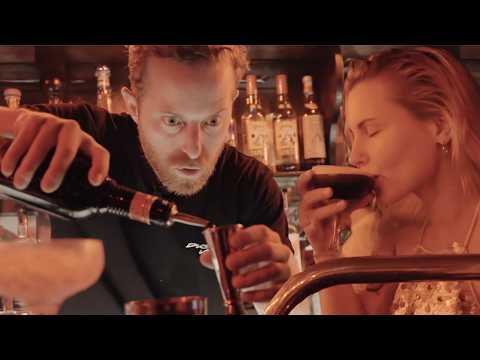
Photo: Bart Everson (CC BY 2.0)
Job description
Beyond mixing drinks to order during a busy shift, a mixologist develops new cocktail recipes from scratch, balancing spirits, bitters, acids, and sweeteners to fit a bar's particular concept. Much of the job happens before service even starts: sourcing and testing seasonal ingredients like house-made syrups and infusions, tracking inventory, and training other bar staff on recipes, technique, and presentation. It's a role distinct from general bartending in its emphasis on recipe development and craft, and it's most common at higher-end bars and restaurants where the drink menu itself is part of the draw.
Pros
- No formal degree required; most learn on the job or through short certificate programs
- Pay can reach $90k for mixologists who build a menu-development reputation
- Creative, hands-on work developing original recipes rather than routine service
Cons
- Above-average hours, often exceeding a standard 40-hour work week
- Evening and weekend shifts dominate the schedule
- Fast-paced rushes require speed and consistency under pressure during peak service
A typical day
The bar is empty at 2pm when the day really starts: receiving a liquor order, checking invoices, and prepping — squeezing citrus, batching a house syrup, carving ice blocks for the weekend. An hour goes to recipe development, testing three variations on a new menu cocktail and taking notes like a chemist. Staff arrive at 4 for a pre-shift tasting where the mixologist trains bartenders on the new build and its story. Service from 5 to close is the performance: making drinks in volume without losing precision, reading the room, and troubleshooting when the special sells triple the forecast. Inventory counts end the night after last call.
Tasks at the job
- Design original cocktail recipes, balancing spirits, bitters, acids, and sweeteners to fit a bar's concept.
- Prepare and garnish drinks to order, working quickly during peak service.
- Source and test seasonal or specialty ingredients, including house-made syrups and infusions.
- Train bar staff on recipes, techniques, and proper glassware or garnish presentation.
- Maintain inventory of spirits, mixers, and bar tools, ordering restocks as needed.
- Stay current on cocktail trends and update menus periodically.
Workplace & working conditions
Work happens behind a bar in a restaurant, lounge, or nightclub -- a small, high-traffic space shared with other staff, often loud and dimly lit during service.
Evening and weekend shifts dominate, with sudden rushes that demand speed and consistency under pressure; the job also requires constant customer-facing friendliness even during the busiest stretches.
Education necessary or common
No formal degree required, though bartending and mixology certificate programs exist; most learn on the job
Licenses & certifications
- State alcohol server permit (at legal age)
- Food handler's certification
- Sommelier or spirits education credentials (WSET, later)
Career path
Related fields
Courses to take
- Chemistry — flavor balance, dilution, and emulsions are chemistry you can taste
- Culinary Arts CTE courses — palate training and kitchen discipline
- Business or Marketing — a menu is a product line with margins
- Botany or Biology — spirits, bitters, and garnishes all start as plants
- Public Speaking or Drama — hospitality is performance
Clubs, activities & competitions
- Culinary club or ProStart competitions
- DECA — hospitality and entrepreneurship events
- Coffee shop or restaurant job now — service fundamentals transfer directly
- Start a (non-alcoholic) drinks project: craft sodas, shrubs, and syrups build the same palate legally
First steps you can take now
- Master five classic non-alcoholic builds this month — balance of sweet, sour, bitter, and dilution is learnable at any age
- Get a food handler's card, which many states allow at 16
- Work a service job and study how the best bartender in the building manages the room
- Read one respected cocktail book cover to cover and copy out its technique sections