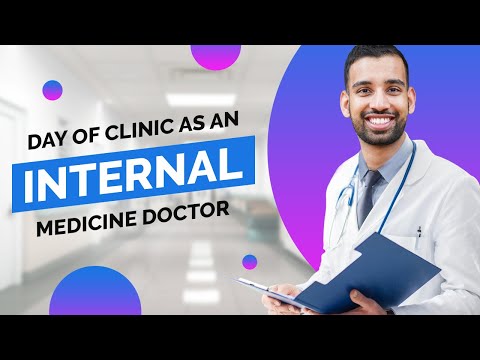
Photo: Unknown photographer (Public domain)
Job description
These physicians handle everything from routine infections and the flu to serious, chronic, and complex conditions, providing long-term comprehensive care for patients in an office or hospital setting. Beyond treatment, the role includes advising patients on diet, activity, and disease prevention, referring out to specialists when a case exceeds primary care, and consulting with other doctors on particularly difficult cases. The pace is often fast with real deadline pressure between patients, and because mistakes can have serious consequences, the work demands sustained accuracy even while dealing with frustrated or anxious patients.
Pros
- High upside earning potential, up to $475k at the top of the range
- Strong pay even at the entry level
- Faster than average projected job growth (3.3%) relative to many established specialties
Cons
- Above-average hours, more than a standard 40-hour work week
- A relatively small number of positions nationwide, limiting geographic flexibility
- Manages long-term, complex chronic cases that require sustained attention over years
A typical day
Clinic opens with a complex patient — diabetes, kidney disease, and heart failure in one chart — and the internist's skill is exactly this: managing five interacting conditions and eleven medications as one coherent plan. The morning runs on twenty-minute visits: a blood pressure recheck, a new fatigue workup ordered thoughtfully, a hospital-discharge follow-up where the internist catches a duplicated prescription before it causes harm. Lunch is a specialist phone call and charting. The afternoon includes the conversation that defines the specialty — sitting with a longtime patient to weigh whether another intervention still serves her goals — followed by results review deep into the inbox. Adult medicine, in all its layered complexity, is the daily terrain.
Tasks at the job
- Manage and treat common health problems, such as infections, influenza or pneumonia, as well as serious, chronic, and complex illnesses, in adolescents, adults, and the elderly.
- Provide and manage long-term, comprehensive medical care, including diagnosis and nonsurgical treatment of diseases, for adult patients in an office or hospital.
- Advise patients and community members concerning diet, activity, hygiene, and disease prevention.
- Refer patient to medical specialist or other practitioner when necessary.
- Collect, record, and maintain patient information, such as medical history, reports, or examination results.
- Provide consulting services to other doctors caring for patients with special or difficult problems.
Workplace & working conditions
Work happens indoors in a climate-controlled setting, and you work in close physical proximity to coworkers or the public for much of the shift. Standard safety equipment like gloves or safety glasses is commonly worn.
The pace is often fast, with real time pressure to meet deadlines, and you're expected to exercise significant independent judgment day to day. Mistakes can have serious consequences, so accuracy matters a lot, and the work is highly structured, following set procedures. You'll regularly deal with frustrated or upset people as part of the job.
Education necessary or common
Doctor of Medicine (MD) or Doctor of Osteopathic Medicine (DO), plus residency training in the specialty
Common college majors
Licenses & certifications
- MD or DO plus internal medicine residency
- State medical license
- American Board of Internal Medicine certification
Career path
Related fields
Courses to take
- AP Biology — the pre-med sequence begins here
- AP Chemistry — required for every medical school
- Anatomy & Physiology — the working map
- AP Statistics — evidence-based medicine runs on it
- AP Psychology — chronic disease care is behavior care
Clubs, activities & competitions
- HOSA (Future Health Professionals)
- Hospital or clinic volunteering with repeated patient contact
- Science Olympiad Anatomy & Physiology
- Caring roles: nursing home visits, caregiving experience
First steps you can take now
- Shadow an internist — ask a family friend or your own physician's office
- Volunteer somewhere with chronically ill or elderly people
- Get CPR certified
- Map the path: pre-med, MCAT, medical school, 3-year internal medicine residency