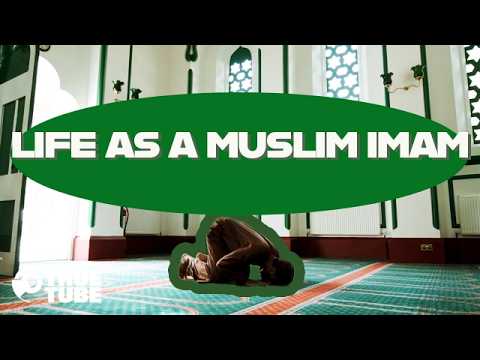
Photo: James Gordon from Los Angeles, California, USA (CC BY 2.0)
Job description
Beyond the five daily prayers and Friday khutbah, an imam teaches classes on Quranic recitation, Islamic jurisprudence, and Arabic to congregants of different ages, and officiates weddings, funerals, and other religious ceremonies. Congregants also turn to the imam for guidance on Islamic law and counsel through family conflict, grief, or questions of faith, and the role often extends into representing the mosque in interfaith dialogue and the wider community. Fridays and the month of Ramadan bring a noticeable jump in pace and public visibility, while other stretches allow more room for teaching and one-on-one counseling. The path requires extensive study of Islamic scripture and law, often at a dedicated seminary or university, though it varies by community and tradition.
Pros
- Deeply meaningful work leading prayer, teaching, and counseling within a community
- Combines religious leadership with broader community leadership responsibilities
- Anchored daily schedule built around the five daily prayers
Cons
- Long, demanding hours are common, especially during Fridays and the month of Ramadan
- Pay tops out around $90k, modest given the extensive scriptural study required
- Held to a public standard of moral example, with counseling that reaches into personal crises
A typical day
The day begins before sunrise, leading Fajr prayer for the small, devoted early congregation, then quiet time afterward for personal study of Qur'an and classical texts — the scholarship never stops. Mid-morning brings the community's needs to the office door: premarital counseling for a young couple, a family navigating a hospital decision who needs both comfort and Islamic legal guidance, funeral arrangements handled with care and speed. Midday and afternoon prayers anchor the schedule like fixed stars. On Friday the khutbah is the week's centerpiece — a sermon composed to be true, relevant, and finished before the congregation's lunch hour ends. Evenings hold Qur'an classes for kids, a halaqa for adults, and interfaith or civic commitments, because the imam represents the community beyond its own walls.
Tasks at the job
- Lead the five daily prayers and deliver the Friday khutbah (sermon) at the mosque.
- Teach classes on Quranic recitation, Islamic jurisprudence, and Arabic to congregants of varying ages.
- Officiate at Islamic weddings (nikah), funerals (janazah), and other religious ceremonies.
- Issue guidance on Islamic law and practice in response to congregants' questions.
- Counsel community members through family conflict, grief, or matters of faith.
- Represent the mosque in interfaith dialogue and broader community relations.
Workplace & working conditions
Work is based at the mosque, with the daily prayer schedule anchoring each day and additional visits to congregants' homes and hospitals.
Fridays and the month of Ramadan bring a marked increase in pace and public visibility, while other periods allow more autonomy over teaching and counseling. The role requires deep, ongoing religious scholarship and is held to a standard of moral example within the community.
Education necessary or common
Extensive study of Islamic scripture and law, often at a dedicated Islamic seminary or university, though exact paths vary by community and tradition
Common college majors
Licenses & certifications
- Ijazah (traditional certification in Qur'an recitation or text transmission)
- Seminary ('alimiyyah) program completion — the standard scholarly credential
- Chaplaincy board certification for hospital/military/university paths
Career path
Related fields
Courses to take
- Arabic — the language of the Qur'an is the foundation of serious study
- World History and AP World History — Islamic civilization in full context
- AP English Language — sermons and teaching demand rhetorical skill
- AP Psychology — counseling is a daily pastoral duty
- Public Speaking — the khutbah is oratory with weight
Clubs, activities & competitions
- Muslim Student Association — lead and serve within it
- Qur'an memorization and recitation study at your mosque
- Interfaith youth councils — representing your tradition among others
- Volunteer teaching in weekend Islamic school
- Debate or speech team — argument and delivery practice
First steps you can take now
- Deepen your Arabic study now — it is the longest lead-time skill on the path
- Ask your local imam to mentor you and describe their own training route
- Take on a teaching role with younger students at your mosque
- Research seminary programs (traditional overseas institutions and accredited US programs like Zaytuna College) and what each requires