Photo: BrokenSphere (CC BY-SA 3.0)
Job description
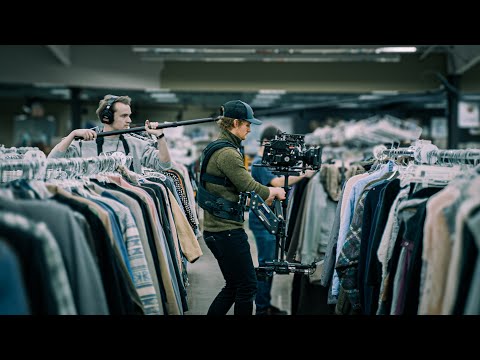
Working closely with the director, a cinematographer plans how each scene should look, selects the lenses, filters, and camera settings suited to the shot's mood, and directs the camera and lighting crews during setup and filming. They also review dailies to confirm the footage holds up both technically and creatively, and either operate the camera themselves or closely supervise whoever does. Production days run long and unpredictable, often well past a standard workday, on sets that range from climate-controlled soundstages to outdoor locations exposed to the weather. There's no required degree; entry typically comes through years of camera and lighting crew work, and pay climbs sharply between early-career jobs and an established director of photography, from around $40,000 up to $250,000.
Pros
- High earning ceiling (up to $250k) for an established director of photography
- Creative, visually driven work shaping the entire look of a production
- No formal degree required, with entry built through hands-on crew experience
Cons
- Long, irregular hours (up to 65/week) that often stretch well past a standard day
- Income and steadiness of work vary enormously between early-career and established roles
- Physically demanding on location shoots, exposed to heat, cold, or weather
A typical day
Call time might be 6am for a sunrise exterior: while the crew unloads, the cinematographer walks the location with the director, deciding where the camera lives for each shot. Setup is the bulk of the day — placing lights, flying diffusion frames, choosing a lens, checking the frame on a monitor and adjusting until the image matches the look established in prep. During takes the DP watches exposure, focus, and movement like a hawk, then confers with the director between setups about whether they got it. Wrap doesn't end the day; there are dailies to review and tomorrow's setups to plan with the gaffer and first AC.
Tasks at the job
- Design lighting and camera setups to realize a director's visual concept for each scene.
- Choose lenses, filters, and camera settings suited to the mood of a shot.
- Direct camera operators and lighting crews during setup and filming.
- Collaborate with the director on shot composition and coverage.
- Operate or closely supervise the camera during takes.
- Review dailies and footage to confirm technical and creative quality.
Workplace & working conditions
Work happens on set, which may be an indoor soundstage or an outdoor location exposed to heat, cold, or weather depending on the production.
Production days run long and irregular, often stretching well past a standard workday, and the pace turns fast once cameras are rolling. The role requires close creative collaboration and can be physically demanding on location shoots.
Education necessary or common
No formal degree required, though many study film production; entry is typically through years working camera and lighting crew positions
Common college majors
Career path
Related fields
Courses to take
- Film/Video Production — hands-on camera time beats theory
- Photography — composition, exposure, and light are the same craft
- Physics — optics and lighting behavior are applied physics
- Art or Art History — the visual references DPs draw on constantly
- Theater — understanding staging and performance helps you serve the story
Clubs, activities & competitions
- School broadcast/TV club or morning announcements crew
- Film festivals for student work — many states run them
- Shoot music videos or short films for friends' bands and teams
- Yearbook or newspaper photography
- Theater tech crew — lighting design experience transfers directly
First steps you can take now
- Shoot a one-minute film this month using only natural light, then reshoot it with lamps
- Learn manual exposure on any camera — even a phone with a manual-control app
- Recreate a single frame from a movie you love and study why it works
- Join or start a film club and crew on someone else's project