Photo: Paul Newham (CC0)
Job description
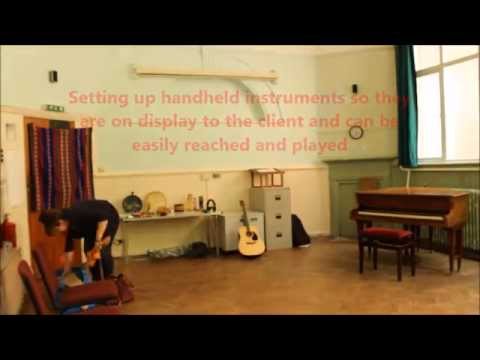
A session might involve singing or playing keyboard, guitar, or percussion with a client, chosen specifically to work toward a therapeutic goal rather than performance for its own sake. Music therapists customize their approach heavily by population, since a program for a child with a developmental disability looks very different from one built for a geriatric patient or someone in a mental health program. Building rapport is central to the job, since a client's trust and comfort with the therapist directly affects whether the music-based intervention actually works.
Pros
- Much faster than average projected growth at 11.5%, among the strongest in healthcare
- High upside earning potential up to $153k on top of a bachelor's-level entry point
- Meaningful, creative work combining music performance with real clinical impact across many populations
Cons
- The work is highly structured, following set procedures rather than allowing much creative freedom
- Regularly working with frustrated or upset clients adds real emotional weight to sessions
- Success depends on building genuine rapport, which can be slow with resistant or nonverbal clients
A typical day
The first session at 9am is at a children's hospital: a seven-year-old recovering from surgery who won't speak to staff will sing, so the therapist builds the morning's pain assessment into a song-writing exercise, guitar in hand. Late morning brings a memory-care group at a senior facility, where a 1958 standard reaches residents that conversation can't; the therapist watches which faces come alive and charts it afterward, because these are clinical interventions with documented goals, not entertainment. The afternoon holds a session with a stroke patient using rhythm to rebuild walking cadence, then treatment-plan updates and a call with a speech therapist about a shared client. The guitar gets restrung on personal time.
Tasks at the job
- Design or provide music therapy experiences to address client needs, such as using music for self-care, adjusting to life changes, improving cognitive functioning, raising self-esteem, communicating, or controlling impulses.
- Design music therapy experiences, using various musical elements to meet client's goals or objectives.
- Sing or play musical instruments, such as keyboard, guitar, or percussion instruments.
- Communicate with clients to build rapport, acknowledge their progress, or reflect upon their reactions to musical experiences.
- Customize treatment programs for specific areas of music therapy, such as intellectual or developmental disabilities, educational settings, geriatrics, medical settings, mental health, physical disabilities, or wellness.
- Establish client goals or objectives for music therapy treatment, considering client needs, capabilities, interests, overall therapeutic program, coordination of treatment, or length of treatment.
Workplace & working conditions
Work happens indoors in a climate-controlled setting, and you work in close physical proximity to coworkers or the public for much of the shift.
There's a regular, moderate amount of time pressure, and you're expected to exercise significant independent judgment day to day. The work is highly structured, following set procedures. You'll regularly deal with frustrated or upset people as part of the job.
Education necessary or common
Bachelor's degree
Common college majors
Licenses & certifications
- Board Certified Music Therapist (MT-BC)
Career path
Related fields
Courses to take
- AP Music Theory — clinical musicianship requires real fluency
- Band, Choir, or Orchestra — strong performance skills on guitar, piano, and voice are entry requirements
- AP Psychology — the therapeutic half of the discipline
- Anatomy and Physiology — neurologic music therapy works through the brain and body
- AP Biology — the science foundation for healthcare coursework
Clubs, activities & competitions
- Volunteer to play music at a nursing home or children's hospital program regularly
- Tri-M Music Honor Society
- HOSA-Future Health Professionals — clinical exposure
- Peer mentoring or buddy programs with special-needs students
First steps you can take now
- Get functional on guitar and piano — music therapy programs audition on both plus voice
- Volunteer monthly music visits at a senior facility and watch what music does that talk doesn't
- Interview a board-certified music therapist (the AMTA site lists them) about a typical caseload
- Research AMTA-approved degree programs — the credential requires a specific curriculum and internship