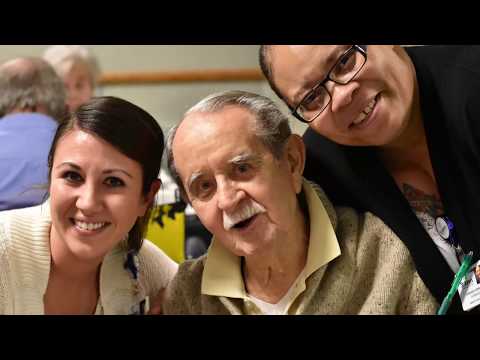
Photo: U.S. Navy photo by Mass Communication Specialist 2nd Class Chad A. Bascom (Public domain)
Job description
After reviewing a patient's medical history and talking with the patient, family, and other staff, a recreational therapist builds a treatment plan around that person's specific needs and interests. Sessions might involve dance, art, relaxation techniques, or organized sports, chosen to help patients rehabilitate physically, cope psychologically, or reintegrate into community life. Therapists track how each patient responds and adjust the plan as progress (or setbacks) show up, working closely with a broader care team in hospitals, nursing homes, or rehabilitation facilities.
Pros
- Faster than average projected growth at 3.3%, a growing niche within healthcare
- Bachelor's degree entry point, without the years of graduate training many clinical roles require
- Varied, hands-on work blending sports, music, art, and rehabilitation rather than a single repetitive task
Cons
- Only about 1,300 positions nationwide, so opportunities may be geographically limited
- Pay tops out just above $100k, modest relative to other bachelor's-level healthcare roles
- Regularly working with frustrated or upset patients adds real emotional weight to the job
A typical day
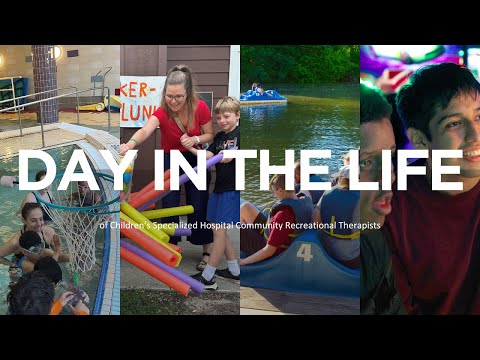
Morning starts with chart review and treatment-team rounds on the rehab unit: the stroke patient in room 4 loves gardening, and that fact is a clinical tool. The first session uses adapted card games to work a brain-injury patient's memory and turn-taking; the second gets a spinal-cord-injury patient into the therapy pool, rebuilding confidence along with range of motion. After lunch, the therapist leads a community-reintegration outing — three patients, a city bus, and a coffee shop, practicing skills that a clinic can't simulate. Documentation ties each activity to measurable goals, because insurers cover outcomes, not fun. The last hour plans tomorrow's adaptive sports group and a new patient's assessment.
Tasks at the job
- Instruct patient in activities and techniques, such as sports, dance, music, art, or relaxation techniques, designed to meet their specific physical or psychological needs.
- Conduct therapy sessions to improve patients' mental and physical well-being.
- Plan, organize, direct, and participate in treatment programs and activities to facilitate patients' rehabilitation, help them integrate into the community, and prevent further medical problems.
- Observe, analyze, and record patients' participation, reactions, and progress during treatment sessions, modifying treatment programs as needed.
- Develop treatment plan to meet needs of patient, based on needs assessment, patient interests, and objectives of therapy.
- Obtain information from medical records, medical staff, family members and the patients, themselves, to assess patients' capabilities, needs and interests.
Workplace & working conditions
Work happens indoors in a climate-controlled setting, and you work in close physical proximity to coworkers or the public for much of the shift.
There's a regular, moderate amount of time pressure, and you're expected to exercise significant independent judgment day to day. The work is highly structured, following set procedures. You'll regularly deal with frustrated or upset people as part of the job, and almost all of the work is done as part of a team.
Education necessary or common
Bachelor's degree
Common college majors
Licenses & certifications
- CTRS (Certified Therapeutic Recreation Specialist, via NCTRC)
- CPR/First Aid
Career path
Related fields
Courses to take
- Psychology/AP Psychology — therapeutic rationale lives here
- Anatomy & Physiology — physical function and adaptation
- AP Biology — clinical science foundation
- Physical Education — activity is the treatment medium
- Art & Music — more tools in the therapeutic kit
Clubs, activities & competitions
- HOSA (Future Health Professionals)
- Volunteer with Special Olympics or adaptive sports programs
- Best Buddies
- Camp counselor work, especially at camps serving kids with disabilities
First steps you can take now
- Volunteer with an adaptive sports league or Special Olympics this season
- Get CPR/First Aid certified
- Interview a recreational therapist at a rehab hospital or senior facility
- Look up NCTRC requirements — the CTRS credential defines this field