Photo: Nic McPhee (CC BY-SA 2.0)
Job description
Editors start by reading submitted manuscripts and proposals to judge which ones are worth acquiring, then work through structural and line edits with an author over months, sending detailed feedback and revision requests along the way. Once a manuscript is finalized, the editor coordinates with copyeditors, designers, and marketing to keep production on schedule, and often has to pitch the book internally to win the sales and marketing support it needs. Much of the job is quiet, independent reading and editing, though deadlines cluster tightly around seasonal publishing schedules. Diplomacy matters as much as editorial judgment, since feedback on a manuscript can feel deeply personal to the person who wrote it.
Pros
- Largely independent work, with editorial judgment calls made alone before author discussion
- Deep intellectual engagement, working closely with authors to shape a book's structure and voice
- Below-average minimum hours (35) compared to many media and entertainment roles
Cons
- Pay tops out at $100k, on the lower end for a bachelor's-level media career
- Deadlines cluster tightly around seasonal publishing schedules, creating recurring crunch periods
- Delivering critical feedback requires real diplomacy, since notes can feel personal to a writer
A typical day
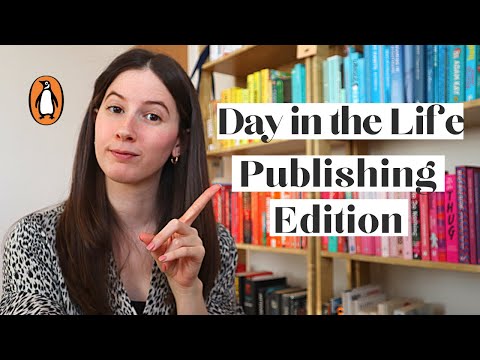
The manuscript on the screen this morning is a debut novel two drafts from ready, and the editor's letter-in-progress must do surgery kindly: the pacing sags in the middle third, a subplot needs cutting, and the author has to end the call believing the book can be great — because it can. Midday is the business layer: an acquisitions meeting arguing for a memoir the editor loves against a profit-and-loss spreadsheet that isn't sure, then negotiations with an agent over a two-book deal. The afternoon scatters productively — jacket copy polished, a production schedule unstuck, blurb requests sent to authors who owe favors. Actual reading happens where it always has: evenings and weekends, the submission pile as constant as weather. Taste, diplomacy, and deadlines, every day.
Tasks at the job
- Read submitted manuscripts and proposals to evaluate their potential.
- Edit manuscripts for structure, pacing, clarity, and voice.
- Communicate detailed feedback and revision requests to authors.
- Coordinate with copyeditors, designers, and marketing on production timelines.
- Negotiate contract terms and advances with authors or their agents.
- Pitch acquired titles internally to secure marketing and sales support.
Workplace & working conditions
Work happens indoors at a desk, dominated by long, quiet stretches of reading and line editing.
The work is largely independent, with editorial judgment calls made alone before being discussed with the author. Deadlines cluster around seasonal publishing schedules, and diplomacy matters since feedback can feel personal to a writer.
Education necessary or common
Bachelor's degree in English, journalism, or a related field
Common college majors
Career path
Related fields
Courses to take
- AP English Literature — the core training of editorial taste
- AP English Language — editing is rhetoric applied line by line
- Creative Writing electives
- Journalism — deadline editing and story structure
- A world language
Clubs, activities & competitions
- School newspaper or literary magazine — editor roles especially
- Yearbook copy editing
- Scholastic Writing Awards
- Book club leadership, or founding one
First steps you can take now
- Edit a friend's story or essay with a real editorial letter: big issues first, line notes second, encouragement threaded through
- Join your school literary magazine and volunteer for the unglamorous selection reading
- Read one book on editing (or a publishing memoir) to see the industry from inside
- Start a reading log with one-paragraph verdicts — 50 books of documented taste is a portfolio